
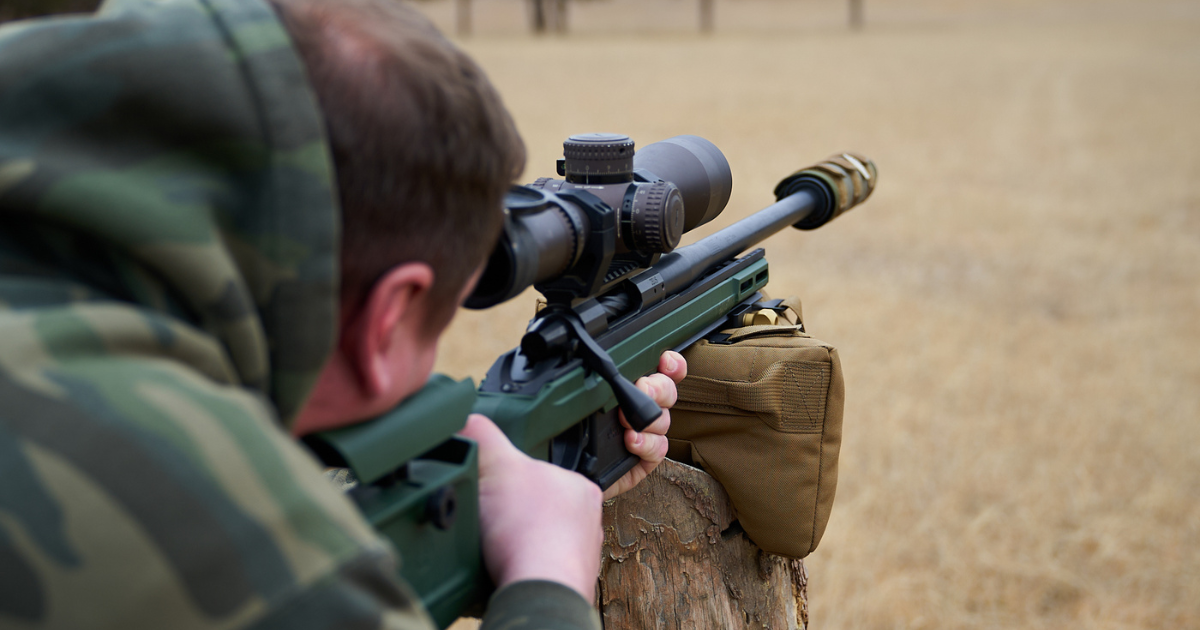
When Suppressor Covers Affect Your Zero (and How to Check It)
In some setups, adding a suppressor cover changes nothing. In others, it introduces a small, repeatable zero shift. The difference comes down to how your rifle system responds to added mass and retained heat.
Do Suppressor Covers Change Your Zero?
They can, but only under certain conditions, and not for a single reason.
Some setups show no measurable shift. If the suppressor is rigid, the cover fits evenly, and heat stays controlled, many rifles hold zero just fine.
Others show small but consistent POI (point of impact) movement. This is a repeatable shift and not random flyers. Once you see it, it tends to show up the same way every time.
The difference depends on the rifle system. Barrel profile, suppressor weight, mounting method, cover fit, and heat all interact. Change one variable, and the result can change too.
Bottom line: a cover doesn’t automatically move your zero, but under the right conditions, it can influence POI enough that it’s worth checking.
Separating Variables: Suppressor Covers vs. Suppressors
A suppressor can affect zero on its own. A suppressor with a suppressor cover adds another variable. If you don’t separate those two, it’s hard to know what actually changed.
A suppressor-only setup introduces mass, heat, and gas effects. When you add a suppressor cover, you’re not changing the suppressor but changing how heat behaves around it. That distinction matters.
Isolating variables keeps you from chasing the wrong cause. If you skip that step, it’s easy to blame the cover when the suppressor, barrel, or heat buildup is doing most of the work.
What Actually Causes a Shift in Zero?
When a point of impact moves, it’s usually the result of how mass, heat, and barrel behavior interact. It’s typically not one single component acting on its own.
That’s why shooter experiences vary so much. Two rifles can run the same suppressor cover and behave differently because the rest of the system isn’t the same.
Added Weight at the Muzzle
A suppressor cover adds mass at the end of the barrel. That mass doesn’t automatically move your zero, but it can change how the barrel behaves during firing.
- Barrel vibration: Added weight can slightly alter the barrel’s vibration pattern as the shot breaks.
- Dwell behavior: The time the bullet spends in the barrel can interact differently with that vibration.
- Repeatability over strings: If the system reacts the same way every shot, the shift is usually consistent and predictable.
This is why some rifles show no change, while others show a small but repeatable POI move.
Thermal Behavior and Heat Retention
This is where suppressor covers most often influence zero. A suppressor cover acts as a heat shield to limit external heat dissipation. Heat stays in the system longer, especially during longer shot strings.
That retained heat can:
- Delay thermal stabilization. The suppressor and barrel take longer to reach a steady temperature.
- Cause gradual, directional POI movement. As the temperature builds, the barrel can shift in a consistent direction (rather than throwing random shots).
- Show up over time, not on the first round. Many shooters initially see zero hold, then notice movement as heat accumulates.
This effect is more pronounced on short barrels, which dump more gas and heat into the suppressor faster.
Barrel Profile and Rifle Setup
Zero behavior also depends on the rifle itself. Thin barrels heat faster and tend to show thermal effects sooner. Heavy barrels resist heat-induced movement longer but still react as temperatures climb.
- Bolt guns usually heat more slowly and predictably.
- Semi-autos cycle more gas and can drive heat into the suppressor faster.
- Precision rifles often reveal small shifts because they’re easier to measure.
- Hunting rifles may never show a noticeable change within typical shot counts.
So a suppressor cover doesn’t cause a zero shift on its own. It influences how heat behaves in the system, and the rifle decides how that influence shows up.
When Are You Most Likely to See a Zero Shift?
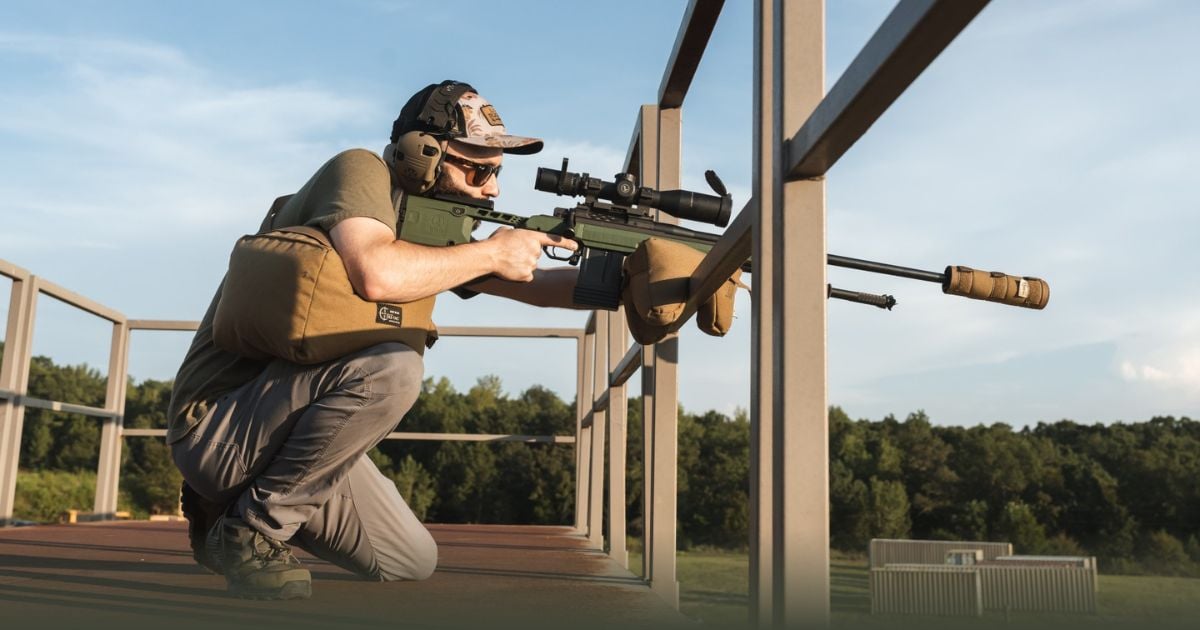
Zero shifts tend to appear when heat and time stack. The most common conditions are:
- Longer shot strings: More rounds mean more heat retained in the system, especially with limited external heat dissipation.
- Lightweight barrels: Thin profiles react faster to temperature changes and stabilize more slowly.
- Heat-heavy shooting environments: High ambient temps reduce how quickly the system sheds heat between shots.
- Extended prone or supported shooting: Stable positions make small, gradual POI movement easier to spot over time.
How to Check Your Zero
If your shooting matches the conditions above, it makes sense to check your zero intentionally.
- Establish your baseline zero. Start with your known, confirmed zero before making changes. This gives you a clean reference point.
- Confirm suppressor-only zero. Install the suppressor without a suppressor cover and fire a controlled group. This isolates the suppressor’s influence (without the cover).
- Add the suppressor cover and fire-controlled groups. Install the cover and fire the same number of rounds at the same cadence.
- Track direction and consistency of any shift. Don’t fixate on how much the group moved. Pay attention to where it moved and whether it moves the same way each time.
The key is repeatability over magnitude. A small, consistent shift is manageable and predictable. An inconsistent one usually points to setup, fit, or heat variables that still need to be controlled.
Drills to Check Zero Consistency
Drill 1: Cold Bore vs. Warm Bore Group
Goal: Identify thermal influence on the point of impact.
- Fire a cold-bore group with your suppressor cover installed.
- Let the system heat naturally through a short string.
- Fire a second group without changing anything else.
A consistent offset between cold and warm group points to heat behavior, not shooter input.
Drill 2: Controlled Group Consistency
Goal: Watch for vertical or horizontal stringing.
- Fire slow, deliberate groups at a steady pace.
- Ignore split times and cadence. Keep conditions repeatable.
- Look for patterns as the barrel and suppressor warm.
Directional stringing often shows how heat is influencing barrel behavior over time.
Drill 3: Extended String Observation
Goal: Monitor POI movement as heat builds.
- Fire a longer string without adjusting the zero.
- Track the group center after each short segment.
- Note whether movement stabilizes or keeps drifting.
Stabilization suggests the system is reaching thermal balance, whereas continued movement suggests ongoing heat influence.
Verify the System, Not the Assumption
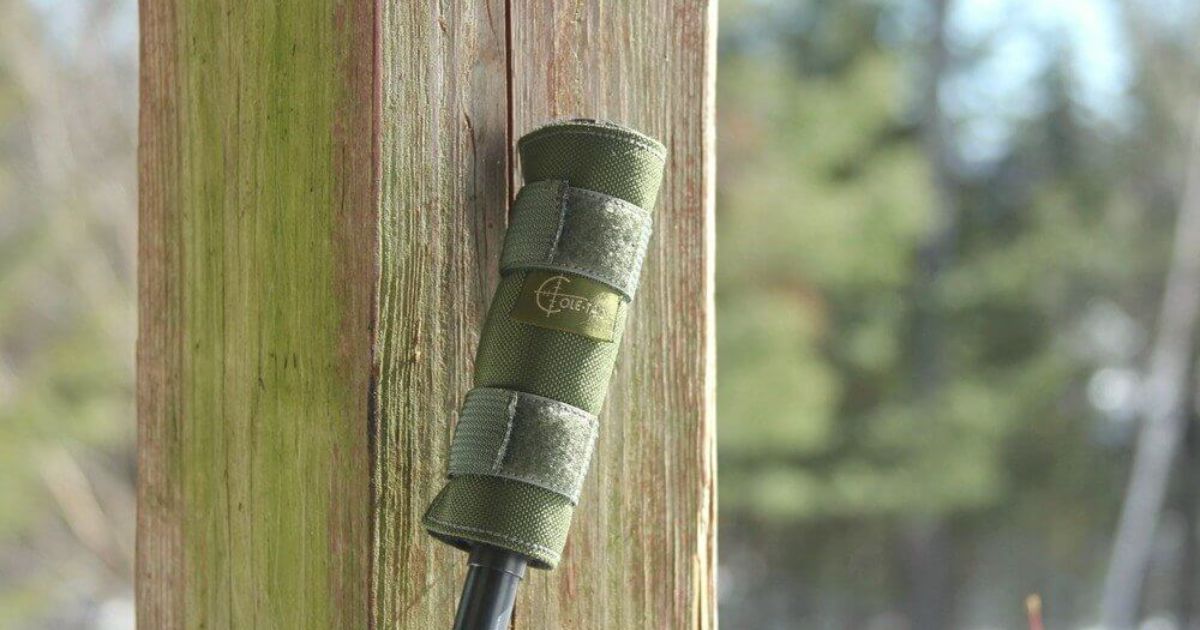
Suppressor covers don’t “ruin” zero but influence system behavior, especially as heat builds. So what matters isn’t whether a shift exists, but whether it’s predictable. A small, consistent offset is manageable. An unknown one isn’t.
If you run a suppressor cover regularly, treat it like any other variable in your shooting system. Verify, understand the behavior, and shoot with confidence instead of second-guessing.
Explore Cole-TAC suppressor covers to find an option that matches your suppressor diameter, barrel length, and shooting style.
To learn more about suppressor covers, check out our other guides: