
PRS & NRL Stage Strategies: How Competitors Can Plan and Adapt
The Precision Rifle Series (PRS) and National Rifle League (NRL) are two of the biggest platforms for modern precision rifle competition. Both are built around long-range shooting, but the match formats are more than just hitting steel from a bench. Each stage tests how well you think, move, and adapt under pressure.
Understanding PRS & NRL Stage Challenges
PRS matches often use complex props (like ladders, rooftop simulators, and tank traps) that force you into awkward shooting positions.
NRL matches lean into blind stages and creative scenarios where you don’t know the setup until the clock starts. Targets range from close movers to small plates several hundred yards out, and you’ll usually need to shoot from multiple positions within a strict time limit.
That’s why basic long-range shooting techniques aren’t enough. Good trigger control and solid fundamentals give you a foundation, but stage success depends on fast problem-solving.
You need to spot the best positions, manage your gear efficiently, and adjust for changing conditions – all while the timer is running.
Strategies are what turn a good shooter into a consistent match performer.
Strategy #1: Breaking Down a Stage Before the Timer Starts
Success in PRS and NRL matches starts before you ever take a shot. The time you spend sizing up a stage is as important as your shooting skills.
Before the timer runs, scan the stage. Look for natural shooting positions and the props you’ll have to use. Note obstacles that could slow you down, like tight barricades or uneven ground.
Mentally walk through the target order and picture how you’ll move from one position to the next. This quick visualization keeps you from wasting time once the clock is running.
PRS Focus
In PRS matches, you usually see the props and obstacles ahead of time. Use that to your advantage.
Decide which positions feel the most stable, and plan the order of your gear, like which bag to grab first. The more you pre-plan, the smoother your transitions will be when it matters.
NRL Focus
NRL blind stages are a different challenge. You don’t know what you’re up against until the stage starts, so there’s no chance to map out every move.
Here, you fall back on strong fundamentals: steady body positions, fast gear setup, and solid target acquisition. Quick problem-solving and staying calm under pressure keep you in the game.
Check out Mastering NRL Hunter Blind Stages for more information.
Strategy #2: Leveraging Support Gear for Stability
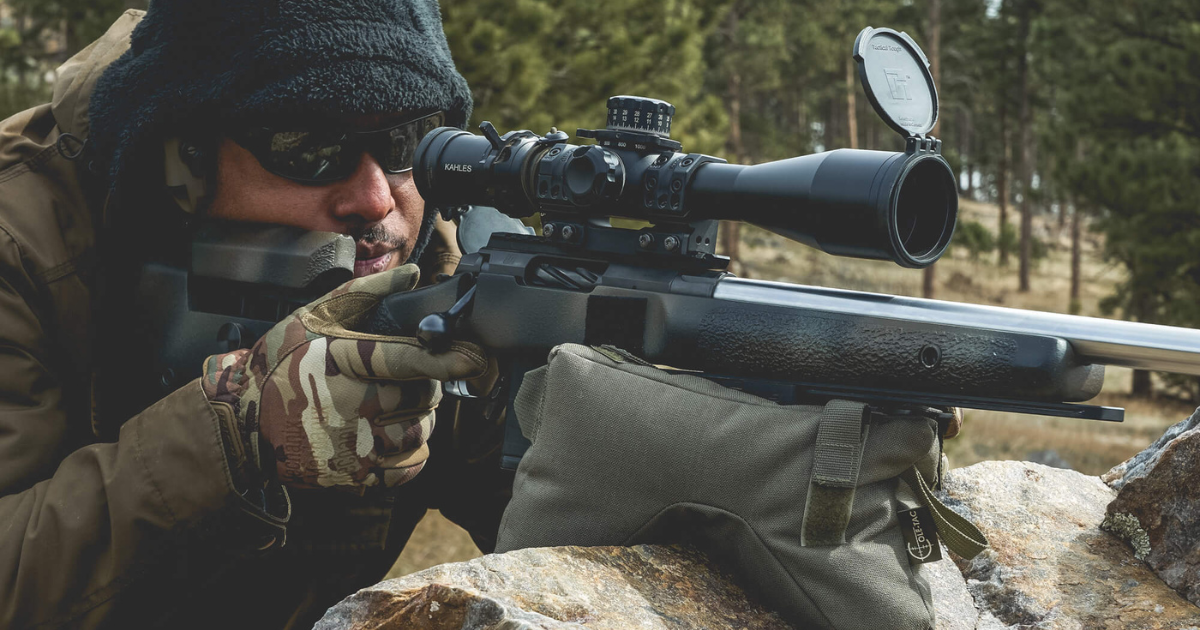
No matter how good your fundamentals are, you’ll hit stages where the props or shooting angles feel awkward. That’s where support gear comes in. The right bags, straps, and tripods help you lock in a stable shot without wasting precious seconds.
The goal is stability without slowing transitions.
- A barricade bag fills gaps and creates a steady surface on ladders, tank traps, or rails.
- Straps let you anchor your rifle when props don’t give you much to work with.
- A tripod adds flexibility, whether you’re shooting off a boulder or need a quick rear support.
PRS Focus
PRS stages often demand fast movement through multiple positions. You can’t afford to wrestle with complicated setups.
Modular gear helps you build solid positions quickly on technical props. For example, a well-placed bag can turn a shaky rooftop shot into a confident trigger press.
For more help, read Choosing the Best Rifle Support Bag for PRS & Tactical Matches.
NRL Focus
In NRL blind stages, you don’t know what surface you’ll face until the buzzer. Versatility matters more than memorized plans.
Gear that adapts fast – like a tripod you can use front or rear, or a compact bag that fits almost anywhere – keeps you steady no matter how creative the stage design gets.
Strategy #3: Cheat Sheet for Quick Reference Data
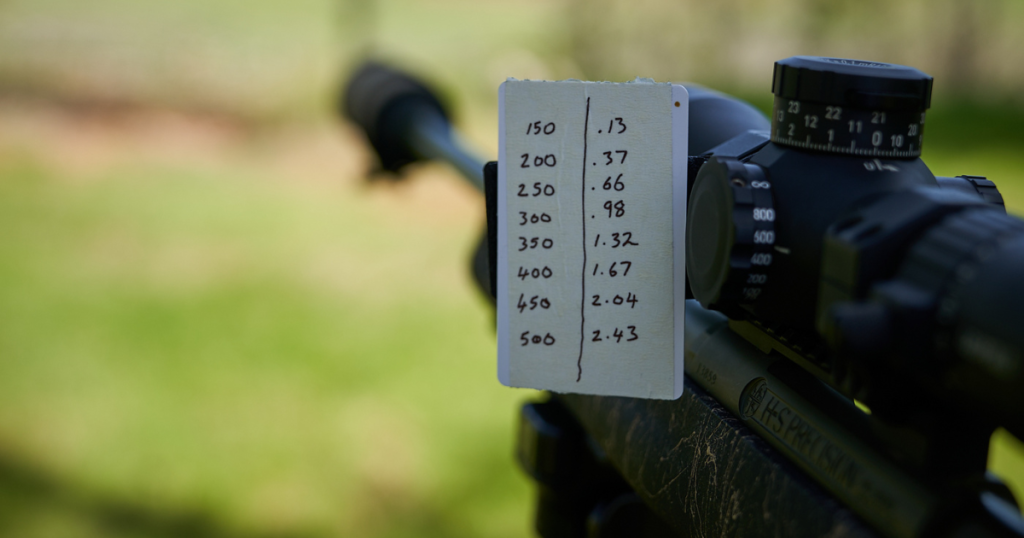
Even the best shooters can’t rely on memory alone during a stage. A cheat sheet keeps your dope, wind holds, and elevation data where you can see it. Instead of second-guessing numbers, you glance down and adjust fast. That saves seconds and helps you avoid costly mistakes.
PRS Focus
Complex stages often stack multiple target distances in one run. Quick reference notes let you move from a 400-yard plate to an 800-yard target without hesitation. Smooth transitions add up to more points on the clock.
NRL Focus
Blind stages or shifting winds make on-the-spot corrections critical. With data right in view, you can adapt to surprise distances or sudden conditions without recalculating mid-stage.
Strategy #4: Efficient Transitions Between Positions
Stages are rarely about a single shot. You’re moving from one prop to the next, and how efficiently you make those transitions often decides your score. Clean movements save time and keep your rhythm steady under pressure.
Think ahead about where your rifle, bag, and body must go next. Every second you save in transitions is a second you can use to settle in and break clean shots.
- Place your support gear in a way that makes moving easy.
- Don’t set it where it forces you to backtrack.
- Keep your rifle pointed safely downrange, and move smoothly rather than rushing and fumbling.
PRS Focus
PRS stages are usually packed with props and position changes. Efficiency here means shaving off small chunks of time at each step. A well-placed barricade bag or strap turns a shaky move into a quick, controlled shift that keeps you shooting instead of resetting.
NRL Focus
In NRL blind stages, you don’t know the prop sequence until you’re running it. This makes adaptability during transitions key. Use compact, versatile gear you can move quickly, and fall back on strong fundamentals to settle fast in whatever position the stage throws at you.
Strategy #5: Mastering the Mental Game
Your gear and fundamentals set the stage, but your mindset decides how you perform. Confidence, visualization, and adaptability help you stay calm under pressure.
Picture yourself running the stage before you step up: moving into position, lining up the shot, and cycling smoothly through targets. If things shift, adaptability keeps you moving instead of freezing.
PRS Focus
Pressure comes from the clock and the number of moving parts. Staying calm keeps your movements efficient and prevents wasted time on transitions.
NRL Focus
The uncertainty of blind stages tests your ability to trust fundamentals. Resetting quickly and adjusting mid-stage often matters more than perfect pre-planning.
Familiar gear (like bags, wraps, or slings) also lightens your mental load. When you know exactly how your setup works, you can focus more on solving problems and making smart calls during the run.
Putting It All Together
Breaking down how you run a stage into simple steps helps you stay consistent under pressure.
Step-by-Step Flow
- Plan: Size up the stage, identify shooting positions, and note your target sequence.
- Stabilize: Use bags, straps, or tripods to build a steady platform fast.
- Engage: Focus on fundamentals like sight picture, trigger press, and follow-through.
- Adapt: Adjust for shifting wind, awkward props, or surprise targets.
- Finish: Clear the stage smoothly, staying ready for the next run.
PRS Focus
In PRS, every second counts. Prioritize efficiency by shaving time on transitions and avoiding wasted movements. The smoother your process, the more rounds you get on target before the buzzer.
NRL Focus
In NRL, adaptability wins stages. Blind setups force you to lean on fundamentals and flexible gear choices. Being able to pivot quickly keeps you in control no matter what you face.
From Planning to Winning
Plan smart. Move smooth. Stay adaptable. That’s how you win PRS and NRL stages, and that’s how you keep improving every match.