
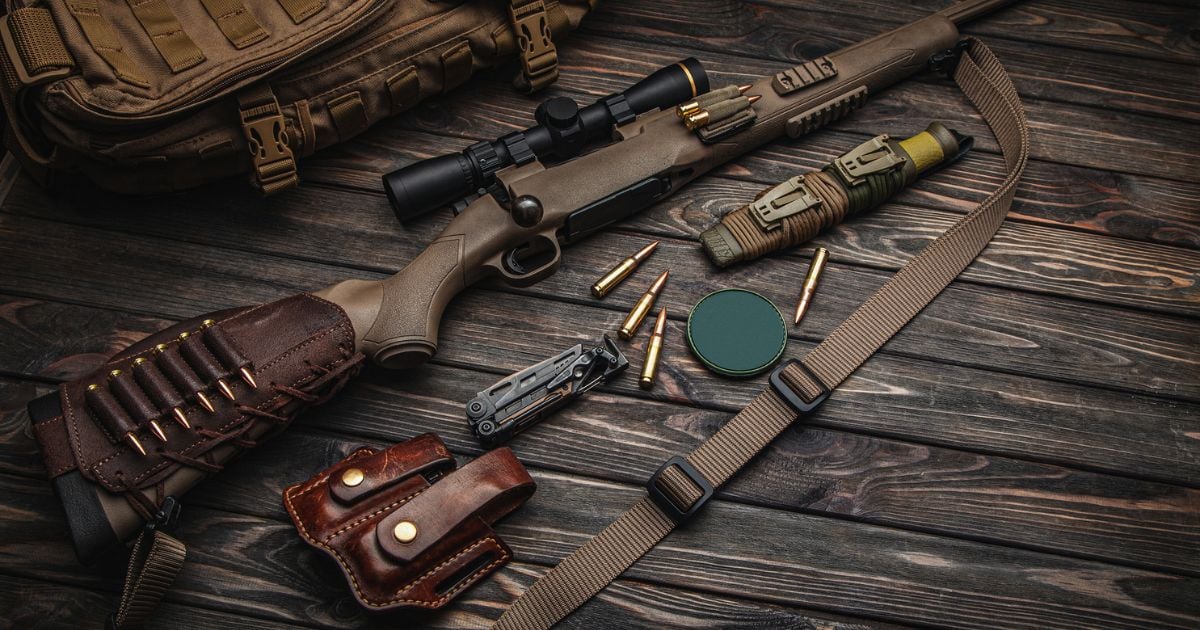
How to Organize Hunting Gear You Can Reach Without Breaking Position
Your hunting gear setup should let you reach gear quickly, quietly, and without breaking position. If you have to shift, sit up, or dig through your pack, you are already behind.
Hunting Gear Access: Reach, Movement, Noise
If you want your hunting gear organization to work in the field, you need a simple way to evaluate it. Every piece of gear should pass three checks: reach, movement, and noise.
Reach
Can you access your gear with minimal hand movement? You should be able to grab what you need without digging, twisting, or looking away. The best setups allow one-handed access, especially for critical items like rangefinders or ammo.
Movement
Does accessing your gear force unnecessary movement? If you have to sit up, roll, or adjust your pack just to reach gear, that movement can cost you a shot.
Noise
Does your gear make noise when you access it? Common issues include hook-and-loop ripping, loud zippers, or loose items knocking together. Also, pay attention to contact noise between items. Gear that touches or shifts can give you away before you even move.
Use this framework as a quick test. If your setup fails in any one of these areas, it is not ready for hunting.
How to Organize Hunting Gear for In-Position Access
The goal is simple: set up your gear so you can reach it without breaking position.
1. Keep Frequently Used Gear in Your Primary Reach Zone
Your most-used items should live where your hands naturally fall. That usually means:
- Chest-mounted gear
- Belt-mounted pouches
- The top or outer edge of your pack
Use these areas for items like optics, calls, and ammo. Chest-mounted systems or front rigs (like Summit Bino Harness or Scout Rig) keep optics and essential tools in your primary reach zone.
Smaller items like rangefinders, weather meters, or GPS units can stay secured in dedicated pouches so they are always in the same place when you reach for them.
2. Separate “Immediate” vs “Secondary” Gear
Not everything needs to be within instant reach.
- Immediate gear = used without moving
(rangefinder, calls, wind checker, ammo)
- Secondary gear = requires repositioning
(extra layers, food, repair kits)
Items like ammo should stay in consistent, easy-to-reach storage like a dedicated wallet, while secondary gear can stay organized deeper in your pack using structured organizers, like these Multi-Cell Elastic Organizers.
This keeps your setup simple. You are not trying to make everything accessible, but just the items that matter in the moment.
3. Standardize Gear Placement
Put the same items in the same place every time to build muscle memory so you can:
- Reach without looking
- React faster under pressure
- Avoid hesitation
If your gear moves around between hunts, you lose that consistency.
4. Eliminate Unnecessary Layers
Every extra step slows you down. Watch for:
- Gear buried under other items
- Multiple zippers or flaps to access one item
- Pouches inside other pouches
Structured organizers help keep gear visible and separated, so you’re not stacking pouches inside pouches. Fewer layers mean faster access and less movement. If you have to think through steps to get to something, simplify it.
Organizing Gear Without Breaking Position (Movement)

In the field, even small movements matter. Sitting up, shifting your weight, or reaching across your body can all break your position.
Here is what to watch for:
- Cross-body access
Reaching across your body creates more movement than you think.
→ Fix: Keep critical gear on the same side as your dominant hand when possible.
- Gear placed behind your natural reach
If you have to reach behind your hip or into your pack, you will shift.
→ Fix: Move high-use items forward to your chest, belt, or front-access pockets.
- Pack-dependent access
If you need to move or remove your pack, it is not field-ready.
→ Fix: Relocate critical items out of the main pack into accessible zones.
- Overextended reach zones
Stretching or leaning changes your balance and position.
→ Fix: Keep your reach tight, so if you have to extend, bring the gear closer.
You should be able to access critical gear while staying stable, supported, and on target. A well-designed pack with accessible external storage reduces the need to shift or remove your pack to reach gear.
Organizing Gear That Stays Quiet in the Field
You can have perfect hunting gear organization, but if it makes noise, it does not work. Here is where noise usually comes from:
- Hook-and-Loop is fast, but loud.
→ Fix: Use quieter options like zippers, magnets, or silent pulls for frequently used gear.
- Hard surfaces click when they touch.
→ Fix: Use soft pouches or add padding between items that might contact each other.
- Loose or hanging gear swings and taps.
→ Fix: Secure everything tightly to your pack, belt, or chest system.
Soft storage options (like sacks or flexible pouches) can reduce hard-contact noise compared to rigid containers.
Access means nothing if it gives you away, so your gear should stay secure and open quietly.
How to Test Your Setup Before You Hunt
Run through these quick checks before every hunt to test your setup.
The Reach Test
Can you grab your gear without looking?
- Close your eyes or look forward and reach for key items like your rangefinder or ammo. You should be able to find them by feel alone.
If you have to look down or search, adjust the placement.
The Movement Test
Does your body shift when you access gear?
- Get into a realistic position (prone, seated, or kneeling) and reach for your gear.
- Watch for lifting your torso, shifting your legs or hips, or breaking your sight picture.
If your position changes, your setup needs to be adjusted.
The Noise Test
Does anything make sound when you move or access gear?
- Open pouches, grab items, and shift slightly like you would in the field.
- Listen for loud closures, gear knocking together, or fabric or hard contact noise.
If you hear it, fix it.
Organization Only Matters If You Can Use It
If you can reach your gear without looking, access it without moving, and use it without making noise, your setup is doing its job. If not, small adjustments make a big difference.
If you want gear that supports this kind of setup, explore Cole-TAC’s hunting systems. The right design makes it easier to keep your gear accessible, secure, and ready.