

How to Make Your Shooting Tripod Work Harder for You
A quality tripod can stabilize your shot, but an optimized setup maximizes every ounce of performance. That’s because a rifle shooting tripod does more than keep your rifle off the ground. With the right adjustments, it helps you shoot steadier, react faster, and stay comfortable during long shooting sessions.
Why Your Tripod Setup Matters More Than You Think
There’s a big gap between a tripod that just holds your rifle and a shooting tripod setup built for real field use. The first gives you a place to rest your gun. The second supports clean movement, helps you stay locked in on uneven ground, and keeps your gear steady when wind or terrain wants to throw things off.
And small changes make a big difference. Raising the legs to a height that matches your stance reduces arm strain. Tightening or loosening tension points helps you track moving targets without fighting the tripod. Even the way you angle the legs affects how quickly you can settle into a solid position.
When setting up your shooting tripod, you’re dialing in three things: balance, adaptability, and efficiency. These are the parts of the setup that matter whether you’re glassing, tracking, or lining up a shot under time pressure.
Step 1: Stabilize Your Foundation
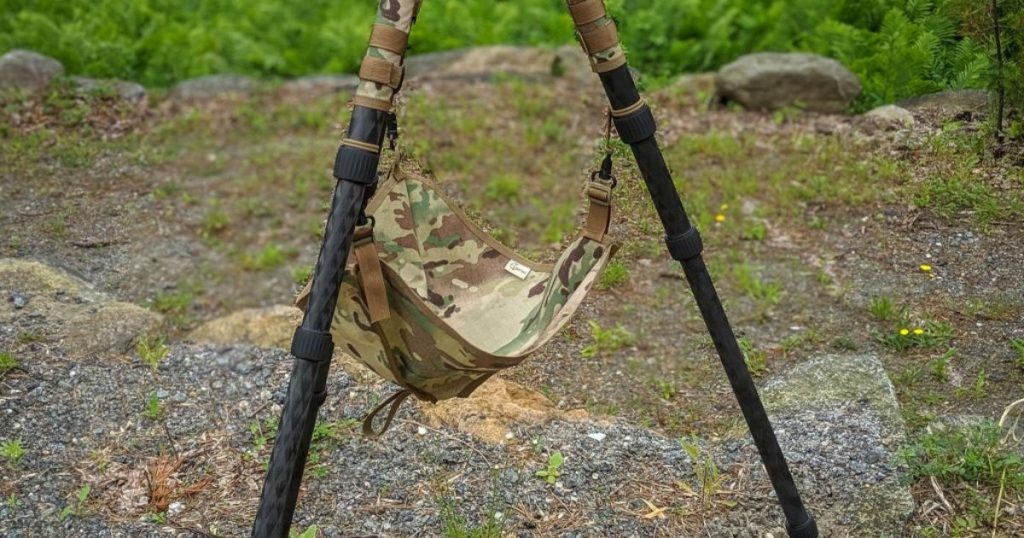
If the legs aren’t planted right or the height feels awkward, everything else becomes harder. Start by getting the foundation dialed in before you worry about fine-tuning the rest of your setup.
Choose the Right Height and Position
Your tripod height changes how steady you’ll be.
- Taller setup: best for spotting or standing.
- Shorter setup: ideal for prone and bench shooting, where you want the lowest, most stable profile.
When the tripod is positioned too high for the situation, it wobbles more and forces you to fight against your own balance. Keeping your center of gravity low makes a difference, especially on windy or uneven ground.
Once you’ve picked the right height for your position, the next step is making sure the tripod stays planted. Height and stance work together, and if one is off, the whole setup feels unstable.
Make sure the legs form a wide, even base. Spread them until there’s no flex or bounce when you apply pressure. If one leg is pulled in tighter than the others, you’ll notice a slight lean or shift. It’s a small issue that adds up when you’re trying to make your shooting tripod work at longer distances.
Add Weight for Stability
Adding weight is one of the easiest ways to get instant stability. Extra weight reduces vibration, steadies long-range shots, and makes the tripod feel planted instead of twitchy.
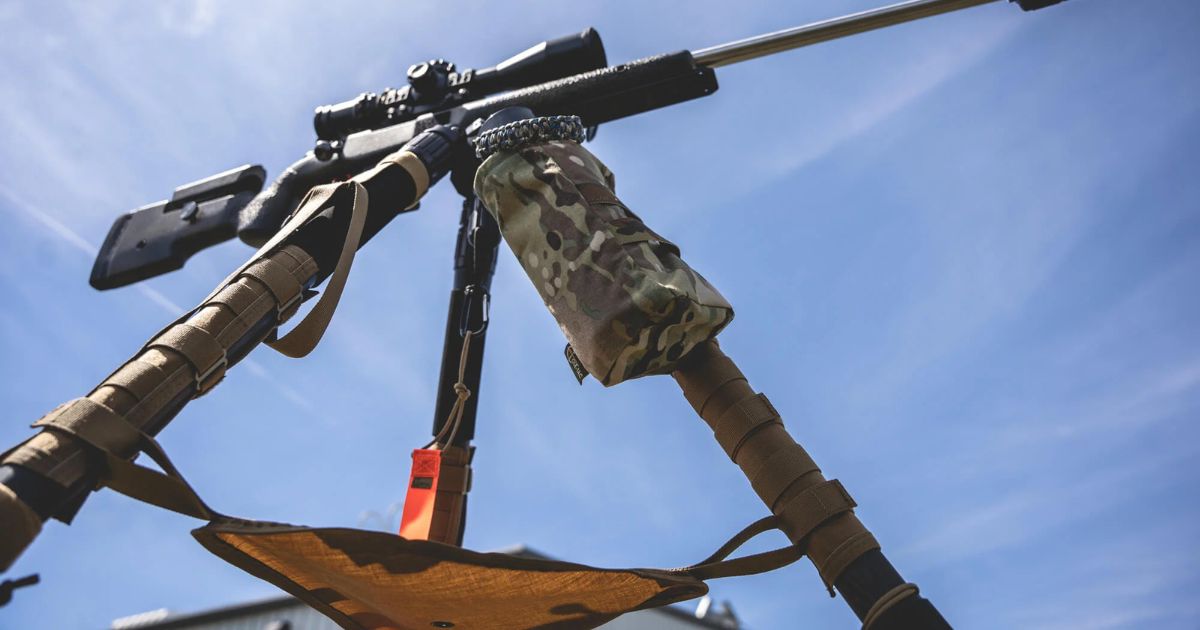
For instance, the Cole-TAC’s Rock Bag attaches between your tripod legs to add mass precisely where it is needed. You can fill it with rocks, dirt, or anything heavy you can grab in the field. A few extra pounds can turn a light, shaky setup into one that feels grounded.
Step 2: Protect Your Tripod from the Elements
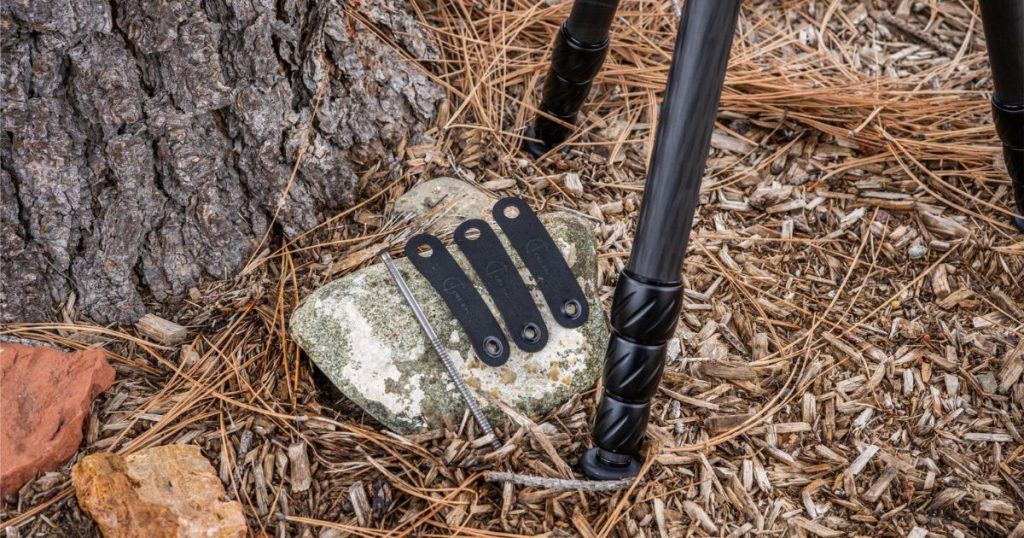
Your shooting tripod takes a beating in the field. Mud, dust, cold weather, and rough terrain all wear down the parts you rely on. Protecting the legs and connectors keeps your tripod working and saves you from problems that show up at the worst times.
Shield the Legs and Components
Tripod legs take the most abuse in the field. Dust works its way into the joints, mud cakes onto the locks, and brush can scratch exposed surfaces. A simple protective wrap keeps that wear to a minimum and helps your setup stay smooth longer.
Covering the legs also improves grip and comfort. Bare metal gets slick in the rain and uncomfortably cold during winter hunts. With a padded, textured cover, you get a surface that’s easier to grab and far less punishing on your hands in low temperatures.
This kind of protection matters most during wet or cold seasons, when rough weather quickly turns a clean tripod into something stiff or noisy. A set of covers, like Cole-TAC’s Tripod Leggings V2, keeps the legs shielded so your tripod stays reliable no matter the conditions.
Use a Tripod Staking Strap
Wind and angled terrain can cause even a well-set tripod to shift. A Tripod Staking Strap keeps everything anchored so the legs don’t lift, slide, or creep during a shot. It’s especially useful when the ground is slick, soft, or sloped (places where stability disappears fast).
Here’s a quick field tip: Stake the strap at opposite angles to get strong, even tension. This keeps the base planted and stops the tripod from twisting under recoil or shifting while you’re tracking a moving target.
Step 3: Streamline Your Field Setup
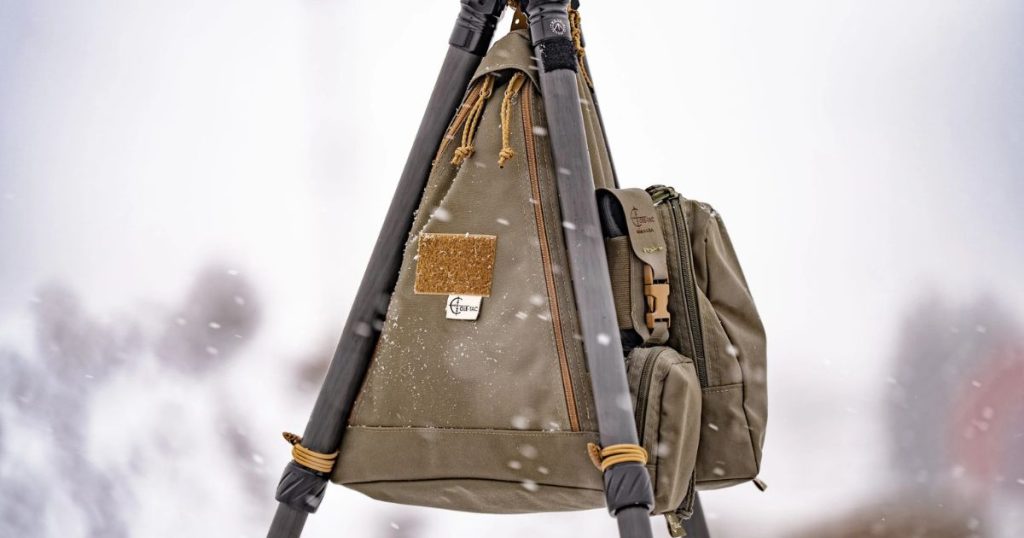
The right shooting tripod accessories transform your tripod into a small workspace that keeps everything you need close and organized.
Keep Essentials Within Reach
When you’re in the field, small tools and data cards buried in a pack slow you down. Keeping those items mounted to your tripod saves time and reduces movement, especially when cycling through wind checks, notes, or gear adjustments.
A compact pouch, like the Tripod Bird Box, solves this problem. It holds the items you reach for most so you’re not digging through pockets between shots.
Competitive shooters and long-range hunters benefit the most, since managing data on the fly becomes faster and keeps your focus on the target instead of your pack.
Add Functionality with Smart Attachments
You can make your shooting tripod work even harder by adding a few small, modular accessories that support quick movement and setup.
Tripod Water Bottle Holder: Keeps hydration close without cramming more into your pack. When you’re glassing for long periods or hiking between setups, fast access to water makes a difference.
Tripod Sling: Lets you carry your tripod hands-free while moving between glassing points or shooting positions. It’s simple, quick to use, and reduces the awkward shuffle of trying to hold everything at once.
These attachments reduce downtime and gear switching. Instead of dropping your pack, unzipping multiple pockets, or shifting items around, your essentials stay mounted to the tripod and ready when you need them.
Step 4: Improve Precision with Visual Feedback
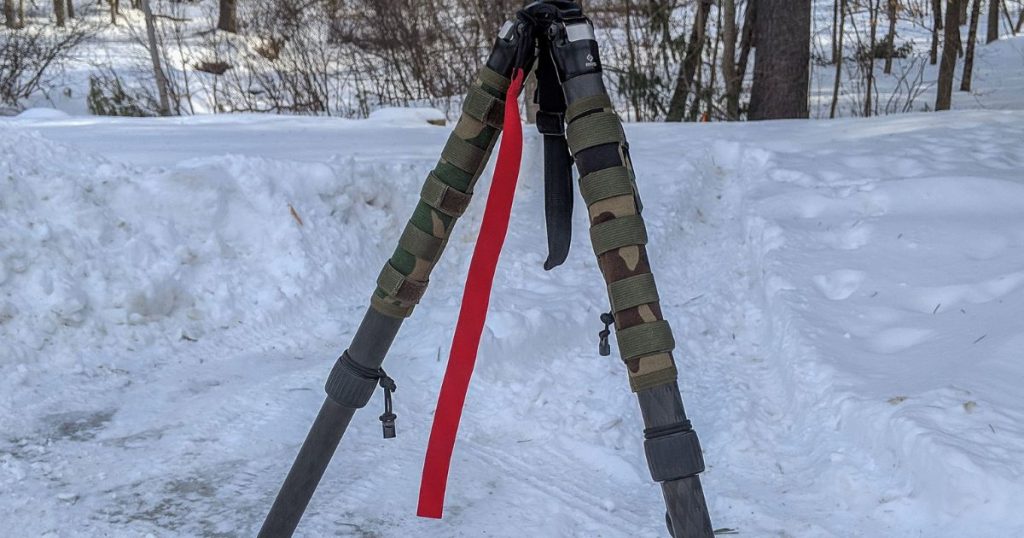
Good data helps, but seeing what’s happening in real time helps even more. Visual cues make your rifle shooting tripod setup feel quicker and more responsive, especially when conditions shift mid-shot.
Track Conditions with a Wind Flag
Wind can change your point of impact fast, and on-screen numbers don’t always update as quickly as the air in front of you. A simple visual indicator helps you read those changes at a glance. That’s where a Wind Flag comes in.
It mounts easily to most tripods, offering a lightweight and packable way to monitor wind direction and speed. When the flag dips, snaps, or shifts, you can adjust your hold immediately, rather than waiting for a device to refresh.
This kind of quick feedback is a big help during long-range shots or when you’re timing a break in the wind.
Fine-Tune Positioning
Smooth tripod movement helps you track targets and make fast follow-up shots. If your tripod for shooting feels jerky or stiff, it’s usually because the tension is too tight.
Use light, even tension so the head pans and tilts without torque pulling you off target.
A simple tip: Level your tripod head before you lock in your position. When the head is level, your movements feel smoother, and your reticle stays predictable. It takes just a moment to check, and it keeps your setup steady.
Step 5: Maintain, Pack, and Transport Smart
A tripod that’s cared for stays reliable through every season. Simple upkeep keeps the legs smooth, the joints tight, and the whole system ready to go. Good maintenance also helps you make your tripod work harder without wearing out key parts.
Clean the legs and joints regularly, especially after dirt, sand, or mud gets in the logs. Grit in the bolts or connectors can make the tripod feel rough and lead to slipping or uneven tension. A quick wipe-down after each trip is usually enough to keep things moving smoothly.
When you’re packing out, wrap or cover the tripod before sliding it into your pack. This stops it from snagging on brush, straps, or loose gear. It also prevents scratches and keeps dirt from spreading to the rest of your loadout.
Good maintenance isn’t complicated, but it does protect your investment and keeps your tripod working every time you head out.
Dialed In and Field-Ready
A tripod is more than a rest. It’s a platform for precision. The right upgrades provide stability when the ground shifts, protection when the weather turns, and efficiency when you need to move quickly or manage data on the fly.
If you’re ready to push your setup even further, shop Cole-TAC’s line of shooting accessories – built by shooters, for shooters.