
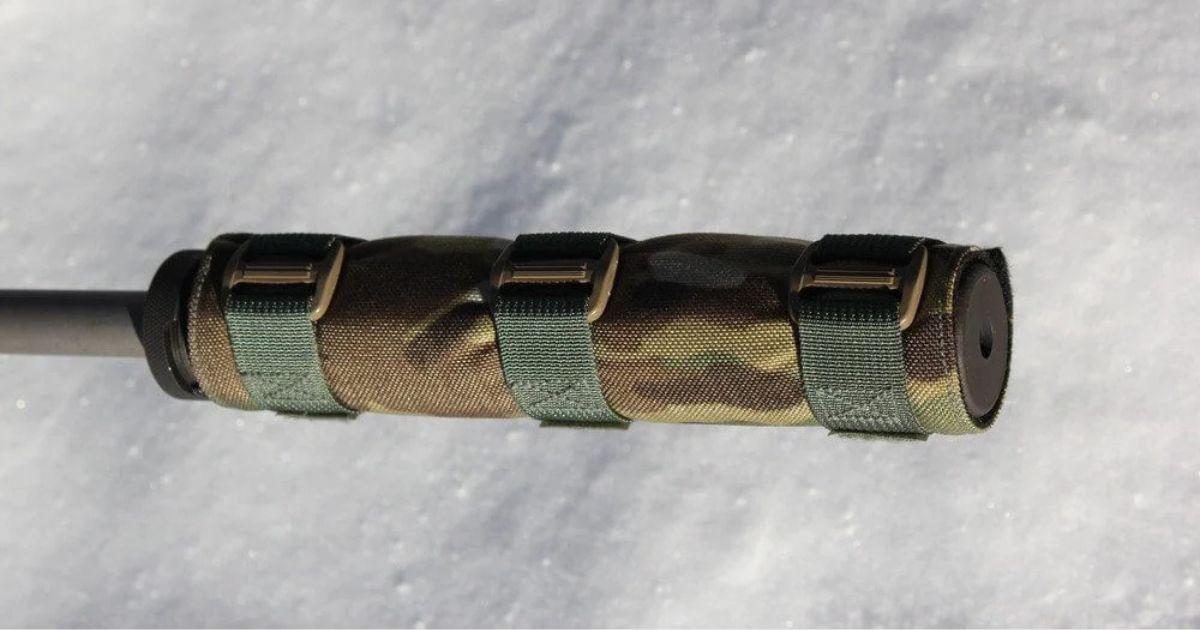
Choosing the Right Camouflage Pattern for Your Suppressor Cover
Choosing a camouflage pattern depends on where and when you’re hunting and what material the cover is made of. A suppressor cover sits at the muzzle where movement starts, so small mistakes in color or contrast show up fast.
Does Suppressor Cover Pattern Actually Matter?
Yes, but only when pattern, color, and terrain work together.
A suppressor cover is attached to one of the most visible parts of a rifle. Even good camouflage breaks down fast if the color contrast is wrong for your environment. A dark pattern in dry grass or a light pattern in deep timber stands out.
Movement matters too. The muzzle is usually the first part of the rifle to move, and movement draws attention faster than a pattern does. When you add external heat dissipation and the resulting heat shimmer, that movement becomes even more noticeable. At that point, pattern matters less than controlling contrast and movement.
So focus less on the pattern name and more on how well its colors and contrast match the terrain you’re actually hunting in.
How to Select the Right Camouflage Pattern
Effective camouflage depends on terrain type, season, material, and color balance, in that order.
Step 1: Match the Pattern to the Terrain
Start by matching your camouflage pattern to the environment you’ll be hunting in most. Terrain sets the baseline for color, contrast, and visual breakup.
- Woodland and forest environments: Dense greens, deep shadows, and vertical breakup dominate here. Look toward woodland-style camouflage patterns with darker greens and balanced shadow tones.
- Desert and arid terrain: Open ground, light browns, and low contrast define these environments. Camouflage patterns built around tans, coyote browns, and dust-toned palettes blend best.
- Transitional and mixed terrain: Grassland, scrub, and edge environments change quickly over short distances. Blended or multicam-style camouflage patterns help manage contrast as terrain shifts.
- Urban or man-made environments: Concrete, steel, and flat surfaces reduce the value of organic camouflage shapes. Muted solid colors or urban camouflage patterns in greys and subdued greens help reduce visual contrast.
Step 2: Account for Season and Color Shifts
Once the terrain is right, the season determines whether that pattern still blends or starts to stand out as vegetation changes.
For example, a woodland pattern that works in spring greens may show too much contrast once foliage dries out and browns dominate later in the season.
Step 3: Let Fabric Set the Limits
After terrain and season are set, fabric determines how much flexibility you have in pattern and color choice. Not every fabric supports the same range of colors and patterns.
- Kevlar-based suppressor covers: Function comes first, with limited pattern flexibility.
- Cordura-based suppressor covers: Greater pattern and color variety make fine-tuning easier.
For more about materials, read Comparing the Best Materials for Suppressor Covers.
Step 4: Weigh Pattern Against Base Color and Texture
This is the final refinement. Pattern, base color, and texture are evaluated against how suppressor covers actually behave at the muzzle.
When Solid Colors Make More Sense Than Full Camo
In some environments, reducing contrast with the right solid color works better than adding visual complexity. This is often true in:
- Low-contrast terrain like dry grass, late-season timber, or mixed ground.
- Hunts where vegetation changes faster than your gear.
- Setups where a patterned cover creates more contrast than it hides.
In these cases, a muted solid color reduces visual pull at the muzzle more than a busy pattern.
Why Texture and Finish Still Matter
Even with the right color or pattern, surface texture and a matte finish help soften edges and reduce visual detection. This becomes more noticeable during movement and heat shimmer, where contrast draws the eye faster than pattern detail.
Why Suppressor Covers Aren’t Clothing Camo
Clothing benefits from folds, motion, and surface area. A suppressor cover doesn’t. That’s why tone, material, and contrast matter more than pattern density. Pattern helps, but base color and texture usually decide whether a suppressor cover blends or stands out.
Common Pattern Mistakes to Avoid
- Choosing camo based on popularity alone. A popular camouflage pattern isn’t automatically the right one. What matters is how its colors and contrast behave in your terrain, not how often you see it online or at the range.
- Using high-contrast patterns in low-contrast terrain. Sharp shapes and bold contrast stand out in open ground, dry grass, or lightly wooded areas. In these settings, simpler palettes blend better and draw less attention to the muzzle.
- Ignoring seasonal changes. Patterns that work in winter look out of place once in the spring. As seasons change, base color often matters more than pattern complexity.
- Overmatching clothing while mismatching equipment. It’s common to dial in clothing camo and overlook gear. A suppressor cover that doesn’t match the environment can break concealment even if everything else blends well.
Cole-TAC Suppressor Cover Pattern and Color Options
Cordura-Based Suppressor Covers
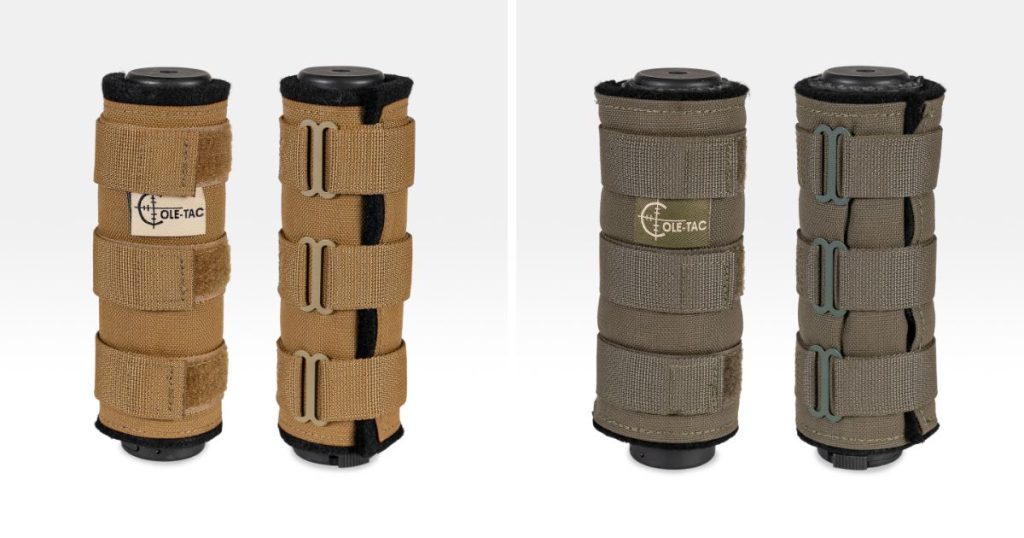
Python, Baby Python, Metal Python, and HTP
These offer the widest selection of patterns and colors and are the easiest to tune to terrain and season.
- Camouflage patterns: Multicam, Woodland/M81, Black Multicam
- Solid colors: OD Green, Ranger Green, Coyote Brown, FDE, Wolf Grey, Black
Cordura-based suppressor covers are a strong choice if concealment is a priority, you hunt across changing environments, or you want your suppressor cover to match the rest of your rifle setup.
Kevlar-Based Suppressor Covers
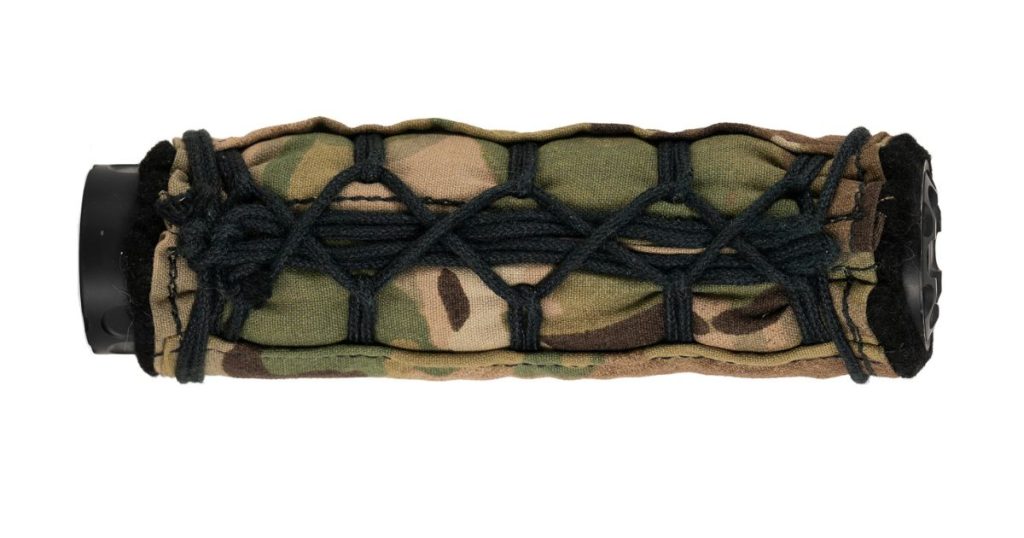
Corset
Kevlar prioritizes durability and heat resistance, but it limits pattern and color availability because the material doesn’t readily accept dyes.
- Camouflage patterns: Multicam
- Solid colors: FDE, Black
With Kevlar-based suppressor covers, selection should start with function, then move to choosing a color that minimizes contrast rather than aiming for detailed visual breakup.
From Pattern Names to Real-World Fit
No matter which suppressor cover you choose, visual consistency matters. Matching tone and color across your rifle does more to manage visibility than chasing any single camouflage pattern.
Explore Cole-TAC suppressor cover options, and you’ll end up with a setup that stays visually consistent when it matters most.
For more about suppressor covers, read Your Complete Guide to Suppressor Covers.