
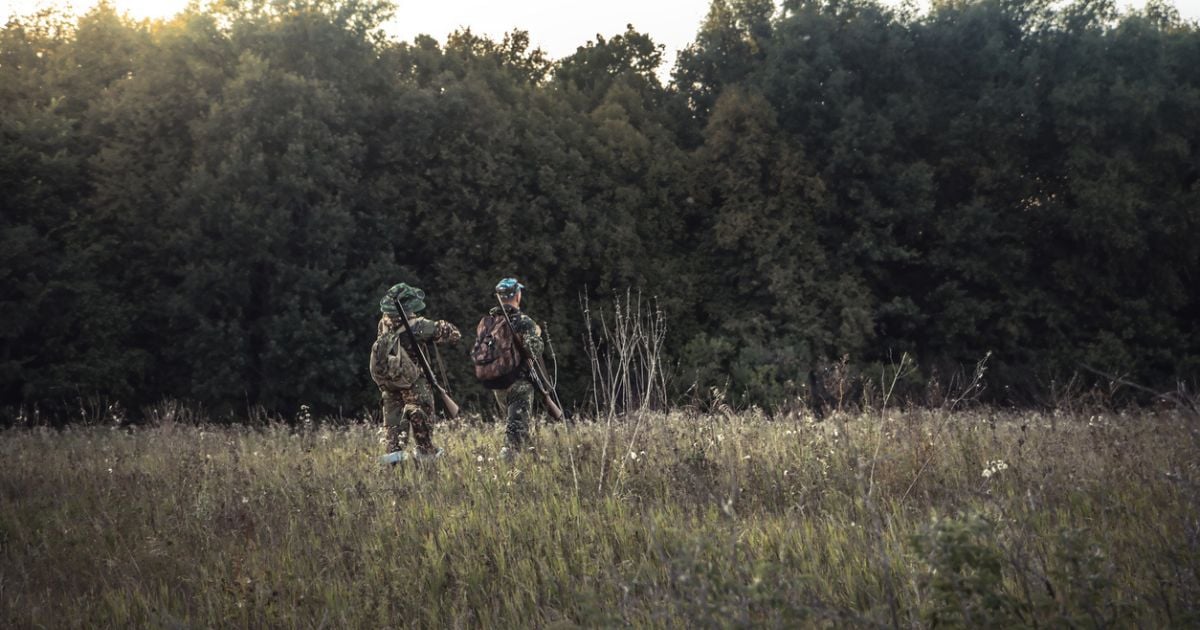
Build a Western Hunting Gear System
Western hunting gear is built for a different kind of pressure. You’re covering distance, not just stepping out from a stand. That means miles of hiking, elevation changes, and uneven ground that doesn’t let up.
Terrain doesn’t stay consistent. You might move from open ridgelines to thick timber in the same day. The weather can shift just as fast. And these hunts also take time. You’re out longer, often far from easy resupply. That changes how you think about water, food, and access to gear.
But here’s the part most people miss: Success depends less on what you carry and more on how it all works together.
You can have the right pieces and still struggle if your gear is hard to reach, poorly balanced, or fighting your movement. A strong Western hunting gear setup is a system built around carry, access, and endurance.
The Western Gear System: A Better Way to Build Your Setup
Instead of focusing on items, focus on function. A western hunting gear setup works when each piece supports a clear role, and when those roles work together under pressure.
You can break that down into four core functions.
Carry – How Your Gear Moves With You
Good carry reduces fatigue and keeps you stable across long distances. Poor carry wears you down fast and throws off everything else.
Weight distribution determines how your setup performs. A poorly balanced load will wear you down faster than a heavier setup that’s built to carry well. When weight shifts, pulls, or rides unevenly, your body has to compensate with every step.
That’s where pack structure comes in.
A strong system gives you defined attachment points and a way to organize gear so it stays where you put it. Modular setups help you adjust during the hunt by adding or removing components without throwing off the balance.
Instead of cramming everything into one space, you’re building around how you move.
Access – How Fast You Can Reach What Matters
Access determines whether gear helps you or slows you down. You can have the right tools, but if they’re buried in your pack, they’re effectively unavailable. Critical items should be reachable without digging, stopping, or breaking position.
Access is about placement. The gear you rely on most should be positioned where you can reach it without thinking, without looking, and without changing your position.
This is where bino packs, chest rigs, and smart placement make a real difference. If you can’t get to it quickly, it’s not truly usable.
Sustainment – How You Last Through the Hunt
Sustainment covers everything that keeps you going. Water, food, layers, and basic hunting survival gear all fall here.
You’re managing three things constantly: hydration, calories, and weather protection.
If one of these falls behind, everything else starts to break down. So the goal is to manage what you carry in a way that supports long hours in changing conditions without constant adjustments.
Stability – How Your Gear Performs When It Counts
Stability shows up in the moments that matter most. When you stop to glass, line up a shot, or move into position, your gear should stay quiet, secure, and predictable. Loose, shifting, or noisy setups cost you opportunities.
Once you start thinking in terms of carry, access, sustainment, and stability, it’s easier to see what’s working, what isn’t, and what needs to change.
How to Start Building Your Own Western Hunting Gear System
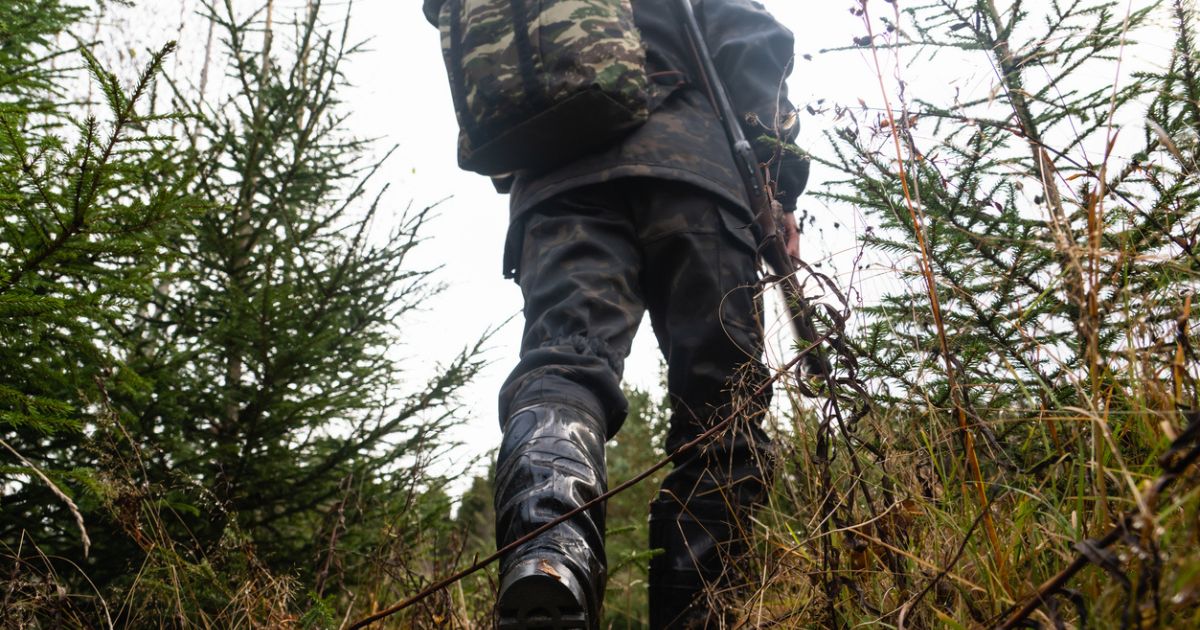
A good system only matters if you can actually use it.
Once you understand the four functions, the next step is applying them to your own setup. That starts with your hunt because it shapes everything that follows.
Start With Your Hunt Type
Before you choose anything, define the conditions you’re actually preparing for.
- Terrain – Are you covering steep elevation, open country, or mixed cover? This affects how you carry and position gear.
- Duration – A few hours vs. a full day (or more) changes what you need to sustain yourself.
- Species – Different animals create different pacing, shot opportunities, and gear priorities.
Build Around the Four Functions
Once you know your hunt type, build your system around the four functions:
- Carry – Make sure your weight is balanced and supported for distance.
- Access – Keep critical gear within reach so you don’t have to stop or dig.
- Sustainment – Plan for water, calories, and weather so you can stay out longer.
- Stability – Set up your gear so it performs when it’s time to shoot.
This gives your setup structure. Every piece of gear should support at least one of these functions.
But understanding the system is step one. Step two is building it into your actual gear: how you carry it, where you place it, and how you use it under pressure.
Start here:
Arranging Big Game Hunting Gear with Modular Carry → how to build your carry system
How to Organize Hunting Gear You Can Reach Without Breaking Position → how to fix access and placement
Hunting Gear That Keeps You Ready in the Field → dial in real-world readiness
The Hunter’s Edge: Stay Ready With the Right Gear → keep your system consistent
These walk through how to turn the framework into a setup you can actually use in the field. And once your system is built, the next step is turning it into something you can use.
Test and Adjust
You don’t fully understand your setup until you use it in motion.
- Movement – Hike and climb with it. Pay attention to balance, shifting, and fatigue.
- Reach – Practice accessing your gear without looking. Notice what slows you down.
You’ll find issues quickly, and that’s the point.
Building a System That Works
Western hunting rewards preparation, but more importantly, it rewards adaptability. And that only happens when everything works together.
Explore Cole-TAC’s hunting gear, shooting accessories, and bags & pouches designed for modular carry, fast access, and reliable performance in the field.