
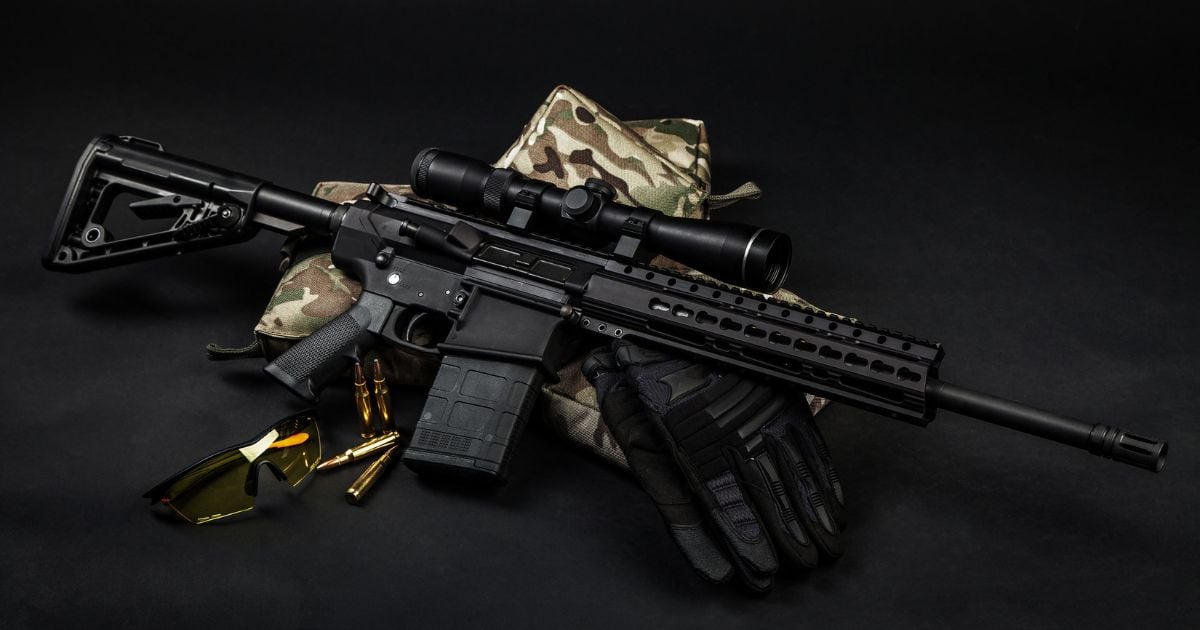
How to Build a Shooting Kit for Both the Range and the Field
A range-to-field shooting kit is a streamlined setup that keeps your essential gear organized so you can move from a controlled range to a real-world field environment without repacking your entire bag.
Static ranges and field environments have different demands, and your gear has to handle both. A setup that works on flat concrete with a bench behind you won’t always hold up when you’re hiking uneven ground or shooting from improvised positions. That’s why a range-to-field shooting kit needs to be flexible, organized, and easy to adjust.
Building a Range-to-Field Workflow
Think of your kit as a layered system, not a single bag. When each layer has a clear purpose, you can switch environments without having to dump everything or rebuild your loadout from scratch.
Layer 1: Always-Carry Essentials
This layer never leaves your bag. It’s the foundation of your shooting kit and works in every environment.
If you start every session with these in place, you don’t have to wonder whether the most important gear made it into your bag.
Layer 2: Range Tools You Can Remove Quickly
These are items you use mainly on flat, controlled ranges. They help with setup, practice, and diagnostics, but you don’t need to haul them into the field.
Keep these range tools in a dedicated pouch or section of your bag so you can lift them out in one move. This reduces repacking and keeps your field loadout lighter.
Layer 3: Field Add-Ons
These are items you only add when you’re heading outdoors. They’re small, lightweight, and useful on real terrain.
They stay out of the way during range sessions, then drop into your kit when you’re prepping for a hunt, match, or field training day.
Keep the Workflow Lightweight and Repeatable
A clean workflow saves time and keeps your habits consistent from practice to real shots. Build a simple “pack-back” routine. After each range or field session, put everything back in its place. You’ll spot what’s missing immediately and avoid last-minute scrambles.
Keeping your loadout consistent also helps your shooting stay consistent. When your gear sits in the same pockets and pouches every time, you move the same way at the bench, on a hillside, or during an NRL stage.
The goal is a system you can trust: light, organized, and ready to go when you need it.
To dig deeper into organizing your gear, read:
- How to Build a Smarter Shooting Kit with Bags and Pouches
- The Hunter’s Edge: How to Stay Organized with the Right Gear
What You Should Always Pack
These items stay in your bag no matter where you’re training or hunting. They’re the foundation of a reliable shooting kit, and you’ll use them in both controlled range settings and real field conditions.
Ammo and Magazine Management
You want storage that keeps rounds protected, easy to count, and simple to grab when you’re switching drills or moving through the field.
For example, the Ammo Novel and Hunter Ammo Wallet lay everything out flat so you can confirm counts at a glance, while the Brass Bag provides storage for your used rounds.
For magazines, decide how you like to carry them:
- Preloaded mags keep your rhythm smooth during drills or a match.
- Loose ammo can work fine for slower-paced zeroing or casual plinking.
Most shooters keep at least a few mags loaded so they’re ready for fast-paced stages or quick follow-up shots in the field. To keep your mags organized in your shooting kit, consider a Mag Bag for easy stow and go.
Shooting Safety Gear
Safety gear is non-negotiable, and it’s the part of your kit you never leave behind.
- Ear protection (electronic if you want to hear range commands, plus simple foam backups)
- Eye protection with clear or tinted lenses, depending on the day
- Gloves to protect your hands from hot suppressors, rough terrain, or sharp edges
This is gear that works in every environment, and it’s compact enough to keep packed full-time.
First Aid Kit
A first aid kit stays in your bag because accidents don’t give warnings. Whether you’re on a public range, private land, or deep in the field, you need basic trauma tools within reach.
Your first aid kit should include:
- A tourniquet
- Chest seals
- Pressure bandages
- Compressed gauze
- Gloves and simple wound care items
It doesn’t replace emergency medical care, but it buys time until help arrives. This is the one piece of gear you hope to never use, but you always pack.
Gun Cleaning Kit and Maintenance Tools
Carbon builds up. Screws loosen. Batteries die. A compact cleaning kit provides everything you need to keep your rifle running.
Keep your kit simple:
- A compact cleaning kit with patches, a small brush, and basic solvent
- A multi-tool for quick fixes
- Carbon scrapers for stubborn grime
- Spare batteries for optics, weapon lights, or electronic ear pro
What to Add for the Range
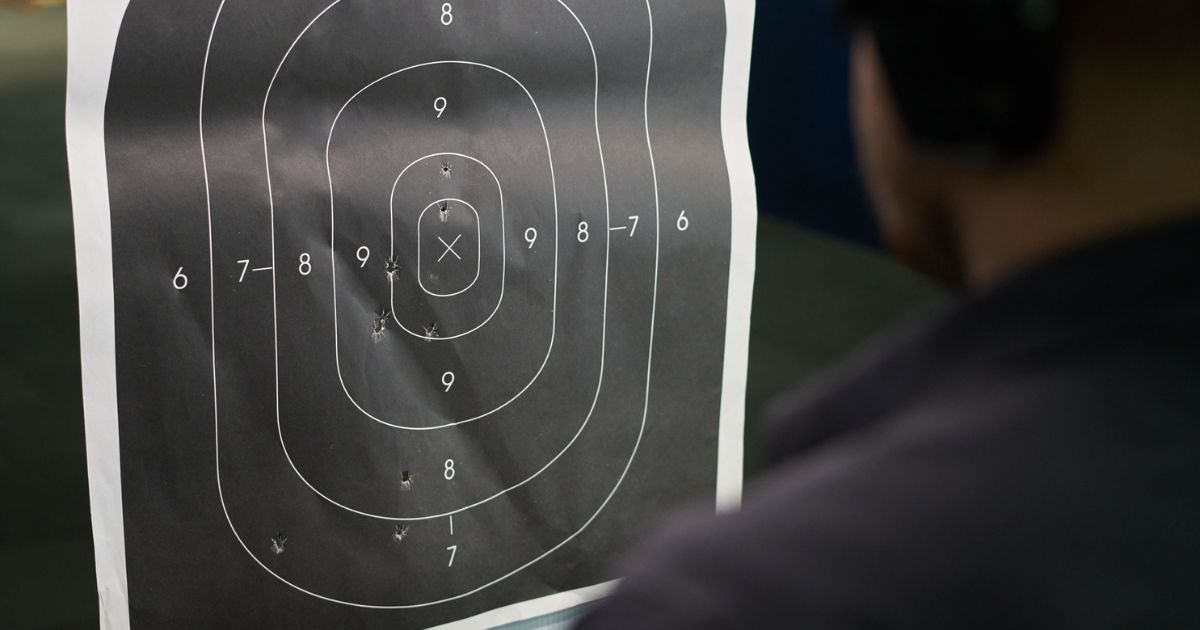
A range session gives you space, time, and structure, so you can carry a few extra tools that help with setup, data gathering, and form work.
Target and Setup Tools
A range is the only place you’ll need the gear that supports target placement and shot tracking. Pack items like:
- Paper targets, cardboard, or steel
- Staplers, staples, tape, and pasters
- Target markers or a small spray paint can
Always check the range’s rules on what they allow and don’t allow for targets.
Spotting and Evaluation Gear
The range is also the best place to analyze what the rifle and shooter are doing. This gear helps you confirm zero, test loads, and evaluate wind calls without having to walk back and forth to the target.
Useful add-ons include:
- A compact spotting scope or binoculars
- DOPE cards or a notebook for tracking groups
- A small tripod (if you use one for spotting)
Shooting Bags
You can also bring heavier support tools for bench work or zeroing (things you’d never carry miles into the field). Heavier shooting bags let you settle the rifle into a stable position while you tune the gun or scope.
Useful Cole-TAC options include:
Boss Bag: A weighted support bag that keeps the rifle planted during zeroing sessions.
Tricorne Bag: While versatile enough for the field, it excels on a flat range when you need a bag that can be shaped and manipulated for micro-adjustments.
For more on range bags, read:
- A Shooter’s Guide to the Best Support Bags
- Heavy Support Bags: Maximum Stability
- Why Every Shooter Needs a Multi-Use Shooting Bag
Extra Tools for Maintenance and Adjustments
Finally, a range is where you want the small tools you might need during a long session.
Consider packing:
- A torque wrench for optic or rail checks
- A small cleaning rod for clearing obstructions
- A compact parts kit for minor fixes or adjustments
Check out What to Pack in Your Range Bag for a comprehensive range bag checklist.
What to Add for the Field
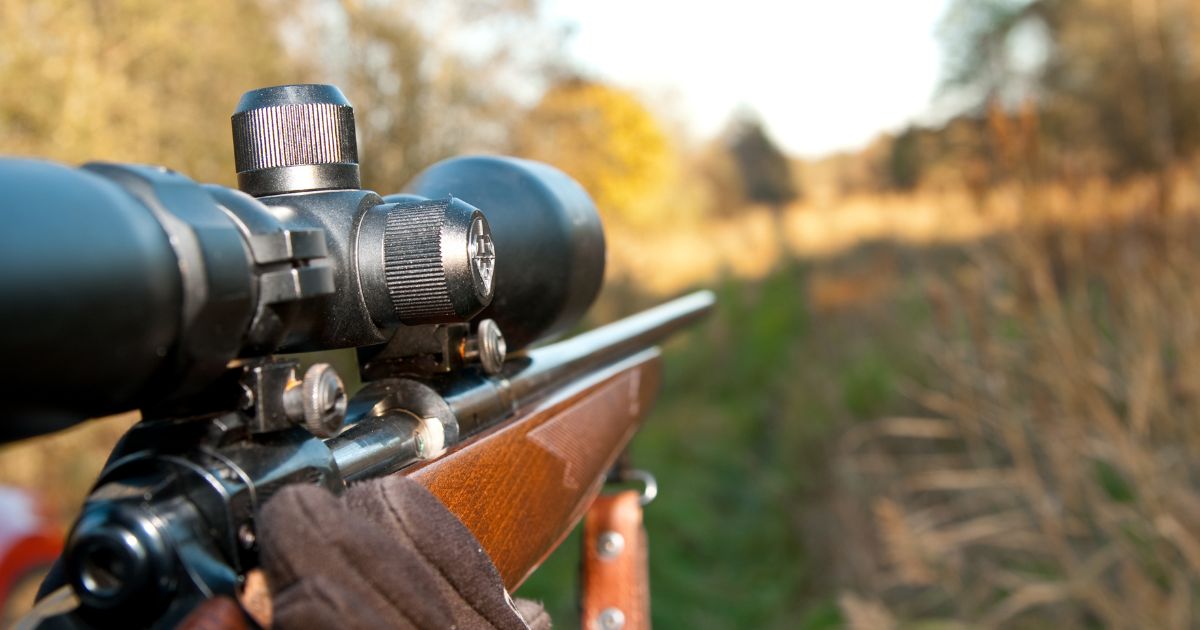
Field shooting is about carrying only what helps you move, stabilize, and stay aware outdoors. These items layer onto your core shooting kit so you’re ready for real terrain without turning your bag into a burden. But only add what the environment demands and nothing more.
Stability Tools
Stable field positions are rarely perfect, and a good shooting bag is one of the easiest ways to keep your rifle steady in those situations.
Most shooters rely on either a multi-use bag, a rear support bag, or a lightweight field bag, and sometimes a mix of all three (depending on your shooting).
Cole-TAC makes several bags that fit these roles:
Woobie Bag: A versatile, do-everything option for kneeling shots, barricades, and natural props.
Flat Bag: A compact rear bag that disappears into your pack but still gives you reliable support.
Bitty Bag: An ultra-light, ultra-packable support bag for shooters who want stability without extra bulk.
To learn more, read Choosing the Best Lightweight Shooting Support Bag and How Rear Support Bags Improve Your Shooting Stability.
And while bags do most of the work, it also helps to think about your sling. A sturdy, easy-adjust sling keeps the rifle under control as you climb or move, and gives you another way to brace when you need quick support outdoors.
Weather-Ready Gear
Weather changes fast outdoors, and even small items help you stay comfortable and protect your gear.
Pack a few basics:
- A rain cover or a waterproof shell for your rifle and bag
- Waterproof pouches for maps, batteries, or tags
- Hand warmers to keep your fingers working in the cold
- A small tarp or mat, like the Spartan Mat or Go-To Shooting Mat
- Paracord for quick fixes or hanging gear
For a deeper look at weather-ready gear, read Best Hunting Rain Gear Setup and Layering for Cold Weather Hunting.
Navigation and Tracking Gear
In the field, you’re often moving, looping back, or tracking game. Even if you know the area well, it’s a good idea to carry simple navigation tools.
Useful additions include:
- A basic GPS, phone mapping app, or a printed map
- Marking tools, like flagging tape or a small marker, for noting locations or trails
- A compact notebook if you want to mark wind calls or terrain notes
Quiet, Lightweight, Low-Profile Tools
Field shooting rewards gear that stays silent, light, and secure. Noise discipline matters for hunters, and weight matters for anyone covering ground.
Keep a few lightweight tools in your kit:
- Low-profile pouches that won’t snag
- Small straps or cable ties to stop rattles
- A compact headlamp for early mornings or late walks out
Build a Shooting Kit That Works Anywhere
A good range-to-field shooting kit isn’t about carrying more gear. It’s about carrying the right gear and keeping it organized so you can move between environments without slowing down.
Explore Cole-TAC’s bags, pouches, and shooting accessories to build your own versatile shooting kit.