
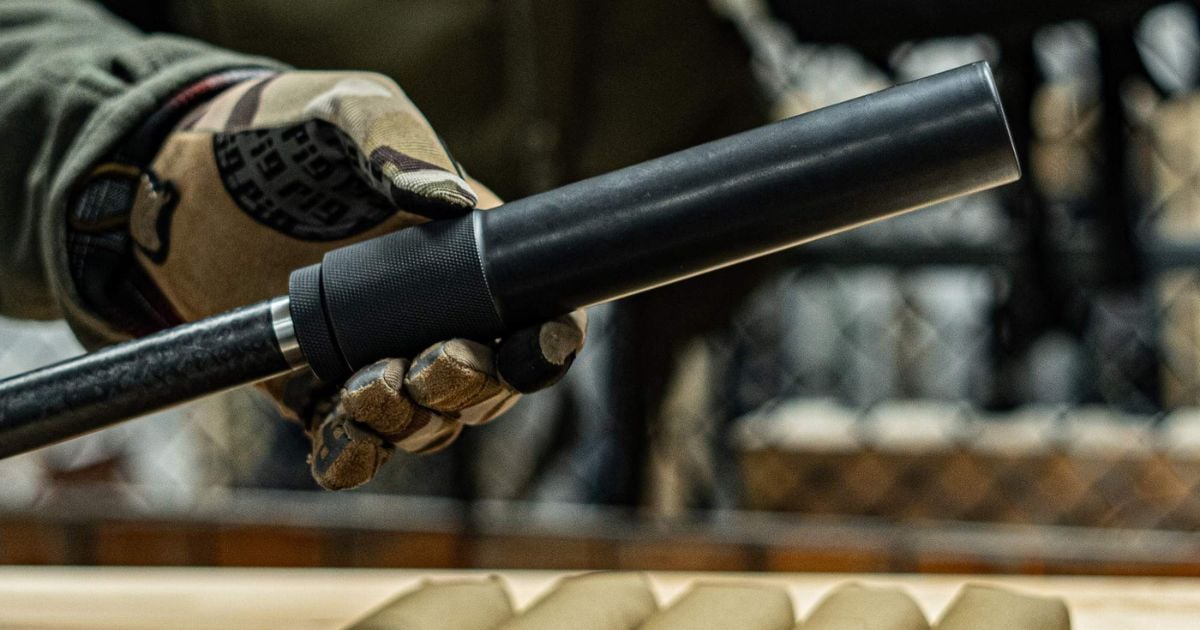
A Simple Post-Shooting Routine for Suppressors and Covers
Most suppressor problems don’t start with catastrophic failure. They begin with heat that wasn’t given time to settle, moisture that stayed trapped too long, or threads that were forced at the wrong temperature.
Running a suppressor cover adds another variable. It changes how heat moves and how long it lingers. To keep your suppressor and cover working the way they should, follow this simple post-shoot routine every time you finish a session.
How Hot Is a Suppressor After Shooting?
After even a short string of fire, it’s common for suppressors to hit 400–800°F.
Faster strings or higher round counts push temperatures even higher. At those levels, the metal is well beyond what skin can tolerate, and internal components are under significant thermal stress. When shooting stops, the heat doesn’t disappear. It lingers inside the suppressor long after the outside is warm to the touch.
Why “Warm to the Touch” Isn’t a Reliable Indicator
This is where people misjudge things.
A suppressor can feel “warm” on the outside while the core is still extremely hot. The outer surface cools first. Internal baffles and mounting areas stay hotter much longer.
If you’re running a suppressor cover, that feedback gets even more misleading. The cover insulates your hand from the real temperature underneath. It might feel manageable, but internal parts may still be under significant heat load.
Why Cool-Down Matters for Suppressors and Covers
Suppressors go through extreme temperature swings. Metal expands when heated and contracts when cooled. That cycle happens every time you shoot. And the suppressor body, baffles, and mount don’t all expand at the same rate. So rushing the cool-down adds unnecessary stress.
By letting everything cool gradually, you allow the parts to contract evenly rather than fight each other.
Trapped heat also affects suppressor mounts and threads. Heat expansion combined with carbon buildup can tighten things more than expected.
If you try to remove the suppressor before temperatures stabilize, you’re more likely to feel resistance or force it when you shouldn’t. Controlled cooling helps threads relax instead of locking in place.
How Suppressor Covers Change Cooling Behavior
Suppressor covers are designed to manage heat, not eliminate it. They reduce mirage, protect you from direct contact, and add a layer of insulation during use.
The tradeoff is cooling time.
A covered suppressor stays hot longer because airflow is restricted, keeping heat trapped close to the body of the can. That’s normal.
But it does mean your post-shoot routine needs to account for slower cooling. Here’s what that should look like.
Post-Shooting Routine for Suppressors and Covers
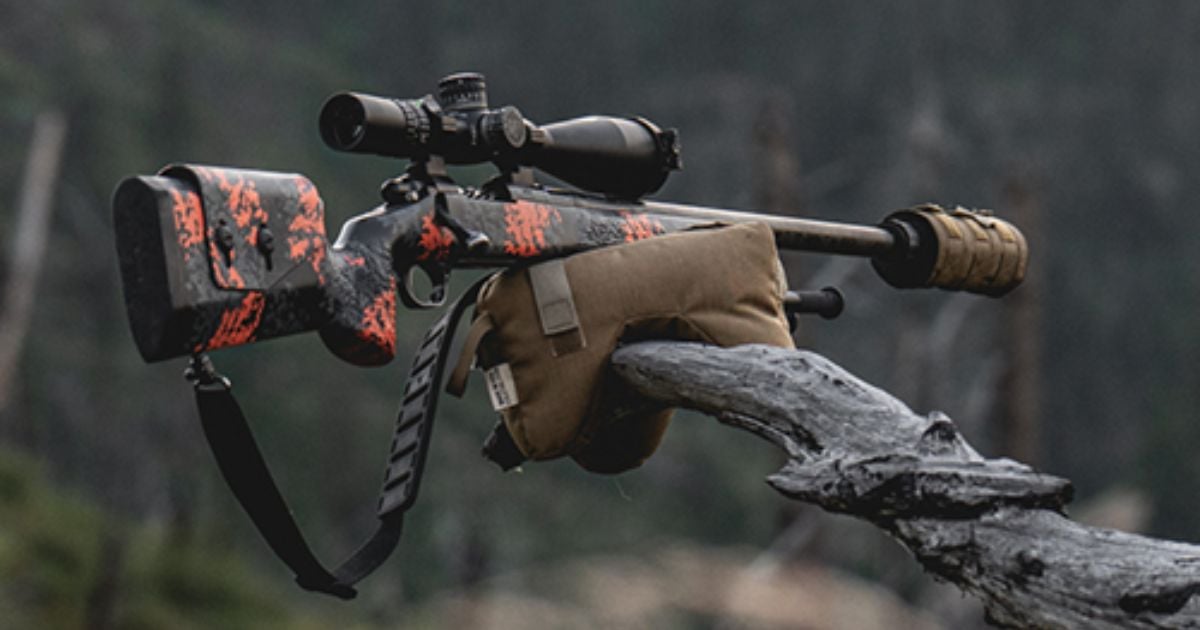
Step 1: Let the Suppressor Cool the Right Way
The goal here is simple: Let heat come down gradually and evenly. That protects the suppressor body, internal components, and mounting surfaces.
Leave the Suppressor Mounted During Initial Cooldown
Right after shooting, leave the suppressor mounted. At this stage, everything is extremely hot and still expanding.
Give it time to drop from peak temperature to a safe handling range. This usually takes 10–20 minutes after moderate shooting, but longer after heavy strings or when using a cover.
Do not attempt removal while it’s dangerously hot. Safety comes first!
Remove While Warm (Not Fully Cold)
Once the suppressor reaches a safe handling temperature, that’s typically the best window for removal. Threads and mounts release more easily while still slightly warm.
Waiting until everything is fully cold can increase the risk of contraction and carbon lock. If removal feels tight or requires torque, stop and reassess.
Air Cooling vs. Forced Cooling
If cooling feels slow, that’s normal. Slow cooling reduces internal stress and lowers the risk of thermal shock.
So let the ambient air handle the cooling process. Avoid water, snow, cold metal surfaces, or anything that rapidly pulls heat away.
Step 2: Remove the Suppressor Cover
This comes down to timing and conditions. The cover itself isn’t fragile, but removing it affects cooling and long-term wear.
Leave the Cover on If…
- You’re taking short breaks between strings, or you’ll be shooting again soon. If you’re pausing to reload or reset, keep it in place. There’s no benefit to pulling the cover early.
Remove the Cover When…
- The session is over, and the suppressor is safe to handle. After initial cooldown and once you’ve removed the suppressor from your rifle or gun while still warm, take the cover off. This allows any remaining trapped heat to fully dissipate.
- You’re transitioning to storage or transport. Covers should not stay on during long-term storage or transport. Leaving them installed traps heat and moisture longer than necessary.
- Moisture is present. Rain, snow, condensation, or sweat all matter. If the cover is wet, remove it as soon as it’s safe to do so. Moisture plus heat is a bad combo for both the suppressor and the cover.
Step 3: Perform a Post-Shooting Inspection
You don’t need a complete teardown after every range trip. A quick, focused check catches the issues that cause most long-term problems.
- Check the cover for trapped moisture. Once the cover is off, feel the inside and the outside. If it feels damp, let the cover air dry before reinstalling or storing it. Storing a wet cover traps moisture against hot metal, leading to corrosion and material breakdown.
- Inspect the suppressor exterior for carbon and debris. Look over the suppressor body and mount area. Light carbon buildup is normal, but heavy deposits, grit, or unburnt debris around threads and mounting surfaces warrant attention. Wipe the exterior down so buildup doesn’t harden over time and make removal harder later.
- Watch for early signs of heat-related wear. Discoloration patterns that weren’t there before, fraying or stiffness in the cover material, or increasing resistance during mounting and removal can all signal excess heat or uneven cooling. Catching these early lets you adjust your routine before issues turn into damage.
Step 4: Complete Light Suppressor Care After Shooting
Most shooters do too much or do the right things at the wrong time. This step is about smart restraint.
When Full Suppressor Cleaning Is Not Required
You don’t need to fully clean a suppressor after every session. For most use, routine shooting doesn’t create enough buildup to justify disassembly. Over-cleaning can wear threads, finishes, and mounting surfaces faster than normal use.
If performance hasn’t changed and mounting feels normal, light care is usually enough.
External Wipe-Down vs. Internal Maintenance
Focus on the outside first. Once the suppressor has cooled, wipe down the exterior and mounting area to remove loose carbon, dust, and residue. This keeps buildup from hardening and interfering with future mounting.
Internal cleaning is a separate task and should be done on a round-count schedule (not automatically after every range trip).
For most centerfire suppressors, internal cleaning isn’t required every session. Instead, plan deeper suppressor cleaning based on:
- Round count milestones (for example, several hundred to a few thousand rounds depending on caliber and design)
- Ammo type (dirty powders and certain loads leave more carbon buildup)
- Performance changes (increased back pressure, mounting resistance, or noticeable weight gain from carbon)
If the suppressor mounts normally, performance hasn’t changed, and you’re within a reasonable round count, a complete disassembly isn’t necessary.
Why Disassembly Timing Matters
Taking a suppressor apart while it’s still hot or before parts have fully stabilized will cause problems. Threads and components may still be expanded, increasing the risk of binding, galling, or improper reassembly later. So let everything cool completely before you even think about disassembly.
When Is It Safe to Repack Your Suppressor and Cover?
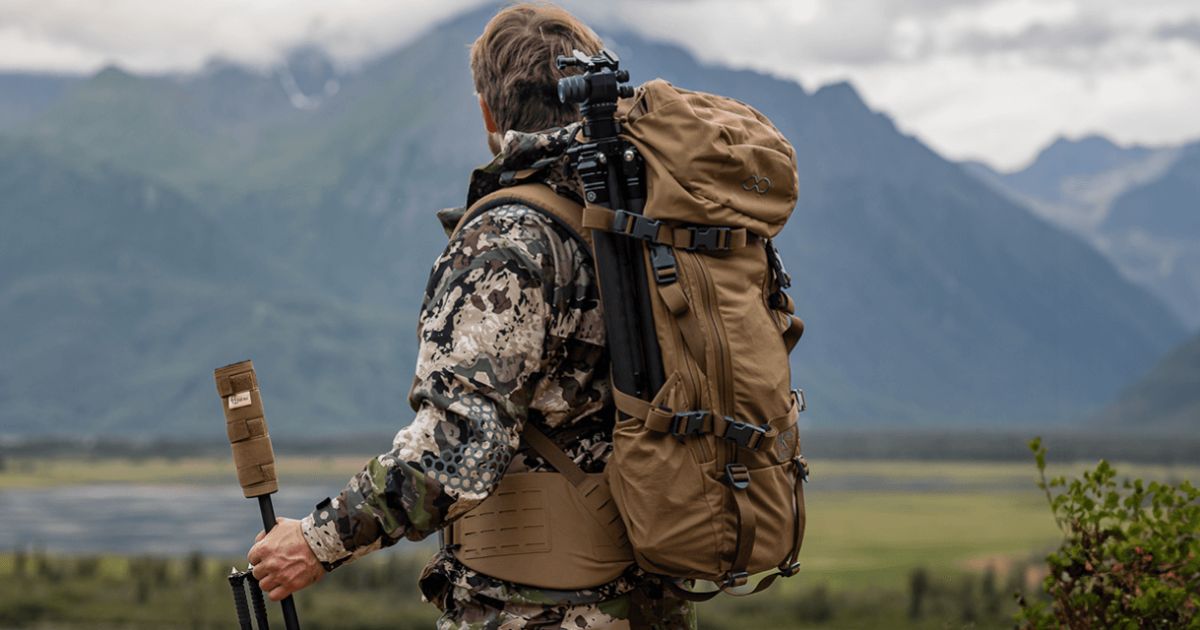
Cooling in open air is very different from cooling inside a case. Once it’s sealed, airflow stops, and any remaining heat or moisture stays trapped.
Before repacking, make sure:
- The suppressor is fully cooled.
- The cover is completely dry.
- No condensation is present.
Even slight warmth inside a hard case can hold heat longer than you expect.
Soft Case vs. Hard Case
Soft cases allow limited airflow, and hard cases do not. So packing warm or damp gear into a hard case traps heat and humidity in a confined space. That’s where corrosion and material breakdown start.
Hard cases aren’t the problem, but rushing the repack is. If you’re unsure, wait. Fifteen extra minutes in the open air does more good than sealing things up too soon.
Cool → Inspect → Protect
Suppressors handle extreme heat by design. Suppressor covers manage that heat during use. What protects both long-term is what you do after the shooting stops.
Explore Cole-TAC’s suppressor covers and gear to match durable design with the right post-shooting routine, and get more life out of the equipment you depend on.