
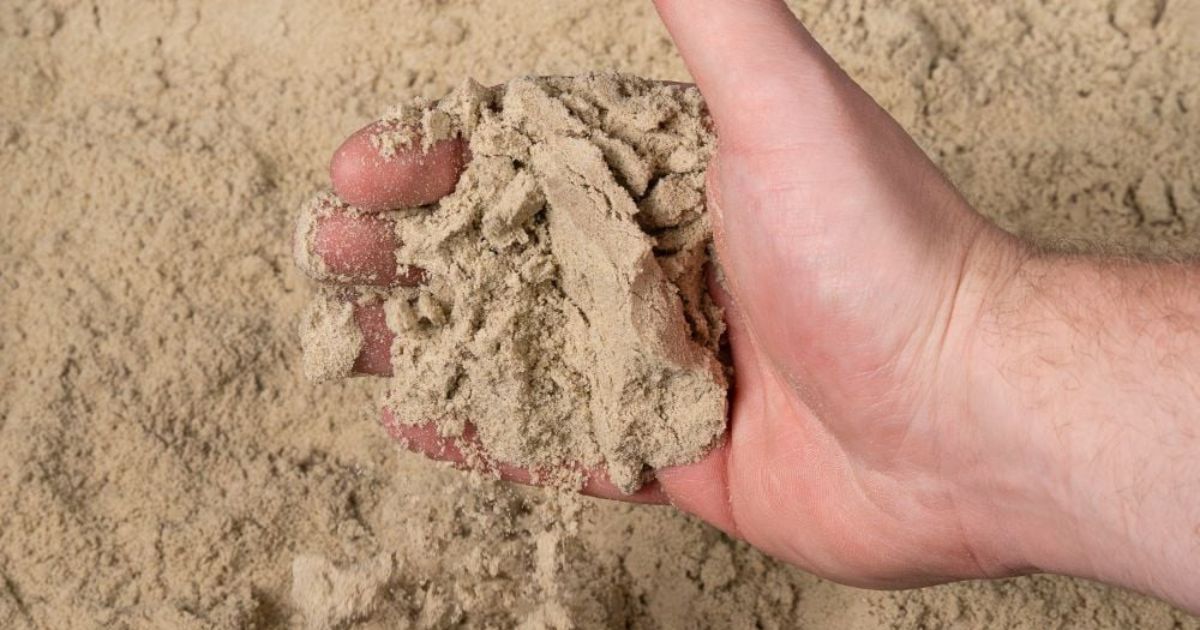
Heavy vs Lightweight Shooting Bag Fill: How Fill Weight Affects Rifle Behavior
Heavy vs. light shooting bag fill is often discussed as a matter of personal preference, but fill weight changes more than just how much a support bag weighs. Understanding what actually changes as fill weight changes will help you choose a bag setup that better matches your needs in the field, at the range, or during shooting competitions.
What Does Shooting Bag Fill Actually Do?
Shooting bag fill affects how a support bag conforms to surfaces, supports the rifle, resists movement, and responds during recoil. Different fill weights can change both stability and portability, which is why fill selection plays a major role in how a bag performs in the field.
What Changes When Bag Fill Gets Heavier?
Heavier bag fill changes how the support bag behaves under the rifle. As fill weight increases, the bag typically becomes more resistant to movement and feels more stable. The tradeoff is that you also carry more weight between shooting positions.
The Bag Resists Movement More Easily
One of the first things many shooters notice with heavier fill is that the bag tends to stay where it is placed since the additional mass helps reduce shifting. If you’re shooting from a barricade, rock, or other support surface, a heavier bag may feel more planted once it is in place.
This does not eliminate all movement, but it can reduce small position changes that occur as the rifle is loaded into the bag or adjusted before the shot.
The Rifle Settles More Firmly Into Position
Heavier fill can also affect how the rifle interacts with the bag. Once the rifle is positioned, the bag settles into shape and creates contact with both the rifle and the support surface. As a result, the setup may feel more predictable from shot to shot.
You might also notice less movement during position adjustments and less need to reposition the bag after minor corrections. This can be especially helpful during slower, deliberate shooting where consistency is the priority.
Recoil Feels More Controlled
Heavier fill does not reduce recoil in the same way a muzzle brake affects recoil. Instead, shooters describe the rifle as feeling more settled during and after the shot. Because the bag is less likely to shift, the rifle may track more consistently.
The result is often a greater sense of stability throughout the firing process. This is one reason heavier fills remain popular in precision rifle shooting and other applications where maintaining a stable shooting position matters.
Carry Weight Increases
The biggest tradeoff with heavier fill is simple: weight.
A heavier support bag adds weight to your pack or shooting kit. That may not matter during a short shooting session, but it becomes more noticeable during long days in the field, hunting trips, or matches that require frequent movement between stages.
For shooters who prioritize stability above all else, the additional weight is often worth carrying.
How Cole-TAC’s CompFill Fits Into a Heavy-Fill Setup
CompFill is a heavy-fill option designed to hold its shape and absorb impact while providing the characteristics many shooters associate with a heavier shooting bag. Because of those traits, CompFill is a popular choice for competition shooters and others who prioritize stability and consistency.
What Changes When Bag Fill Gets Lighter?
Lighter bag fill changes the balance between stability and portability. The bag is easier to carry and takes less weight into the field, but it may also move more under the rifle than a heavier fill. For some shooters, the goal is finding enough support while keeping overall gear weight manageable.
The Bag Is Easier to Carry
The most obvious difference is weight. A lighter support bag places less weight in your pack and reduces the overall load you carry throughout the day. While the difference may seem small at first, every ounce adds up during long hikes, hunting trips, or matches that require frequent movement.
For shooters who spend more time walking than shooting, reducing the weight of their support bag can make a noticeable difference.
Support Weight Is Reduced During Long Movements
A support bag may only be used for a few minutes at a time, but you carry it all day. In mountain hunting, backcountry travel, and field-style competitions, reducing gear weight helps limit fatigue and improve movement efficiency.
That is why many shooters evaluate bag fill based on the total mission rather than just the shooting position.
The Bag May Shift More Easily Under Load
As fill weight decreases, the bag may become more responsive to pressure and movement. This doesn’t mean the bag becomes unstable or ineffective. It simply behaves differently than a heavier fill.
When the rifle is loaded into the bag, you may notice slightly more shifting as the fill settles into position. On uneven surfaces, the bag may also move more easily during position adjustments or recoil. Many shooters accept this tradeoff because the reduction in carry weight is worth the additional movement.
Rifle Movement Becomes More Noticeable
A lighter bag often allows more movement throughout the shooting process. You might notice small changes as the rifle settles into position, transitions between targets, or cycles through recoil.
The rifle can still be supported well, but the setup may feel less planted than a bag filled with heavier material. These differences are often most noticeable when comparing two otherwise identical bags side by side.
How Cole-TAC’s UltraLiteFill Fits Into a Lightweight Setup
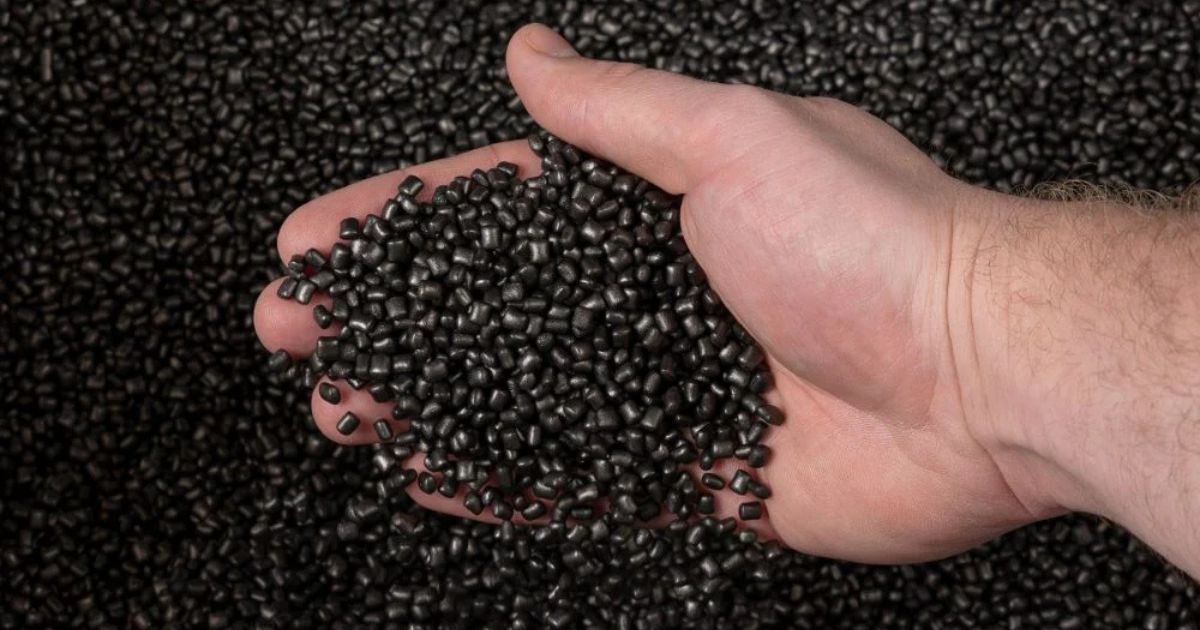
UltraLiteFill uses lightweight polymer beads that do not compress over time and do not absorb water. It is designed for shooters who want to reduce the weight they carry while maintaining a stable shooting surface, making it a popular option for backcountry hunters, hikers, and other mobile shooters.
How Fill Weight Affects the Rifle Before the Shot
Most discussions about shooting bag fill focus on what happens during recoil. However, fill weight also affects everything that happens before the trigger is pressed.
Building the Position
The first job of a support bag is to help create a stable shooting position.
As the rifle is placed onto the bag, the fill begins distributing weight across the support surface. Different fill weights change how quickly the bag settles and how much movement occurs while establishing the position.
A heavier fill often feels more planted from the start. A lighter fill may adapt more readily to the support surface but can require additional adjustment as the rifle settles.
Rifle Settling and Support Contact
Once the rifle is supported, the bag and rifle begin working together as a system. The fill influences how the bag conforms to the support surface and how consistently it contacts the rifle. This contact affects how stable the setup feels while aiming and maintaining position.
With heavier fill, the rifle may feel more firmly supported once everything settles. With a lighter fill, the bag may continue to conform as pressure is applied and adjusted. Many shooters notice these differences most during setup, where small changes affect how stable the rifle feels on target.
Position Refinement and Adjustments
Few shooting positions are perfect on the first attempt. As you adjust your body position, change the pressure on the rifle, or make small corrections to the support bag, the fill weight influences how the system responds.
A heavier bag may resist movement and maintain its shape more readily during adjustments. A lighter bag may shift more easily as you refine the position. These characteristics become noticeable when shooting from uneven terrain, barricades, or other improvised field supports.
How Fill Weight Affects the Rifle During Recoil
Once the trigger is pressed, the rifle, bag, and support surface all interact. Fill weight can influence how the system moves during recoil, but the experience varies depending on the rifle, shooting position, support surface, and shooter technique.
Support Movement During the Shot
As the rifle recoils, some of that movement is transferred into the support bag. Heavier fill often resists movement more readily, which may help the bag stay in place throughout the shot. Lighter fill allows more shifting as the rifle moves against the support surface.
The difference is not always dramatic, especially in stable shooting positions. However, shooters may notice it more when shooting from barricades, uneven terrain, or other improvised supports.
In many cases, the question is not whether movement occurs, but how much movement occurs within the support system.
Rifle Tracking and Stability
Many shooters pay attention to how the rifle tracks during recoil and where it settles afterward. A bag that remains stable under load can help the rifle feel more consistent throughout the shot process. Some shooters describe the rifle as feeling more settled or predictable.
With lighter fill, small amounts of movement may be more noticeable as the rifle cycles through recoil and returns to position. These observations often become easier to see during precision shooting, where maintaining sight picture and spotting impacts are important goals.
Read How Rear Support Bags Improve Your Shooting Stability and Heavy Support Bags: Maximum Stability for Long-Range Shooters for a deeper look.
Why Different Shooters Notice Different Results
There is no single recoil experience that applies to every shooter. A lighter hunting rifle may react differently from a heavier precision rifle. A shooter using a rear bag may notice different behavior than someone shooting from a large support bag. Shooting technique also plays a major role.
The support surface matters as well. A bag placed on a concrete bench behaves differently than the same bag placed on a rock, backpack, or tripod platform.
Because so many variables influence rifle behavior, shooters often report different experiences with the same fill type. What remains consistent is that fill weight affects how the support bag moves during recoil, which can influence how stable the rifle feels throughout the shot.
Which Fill Works Best for Different Shooting Styles?
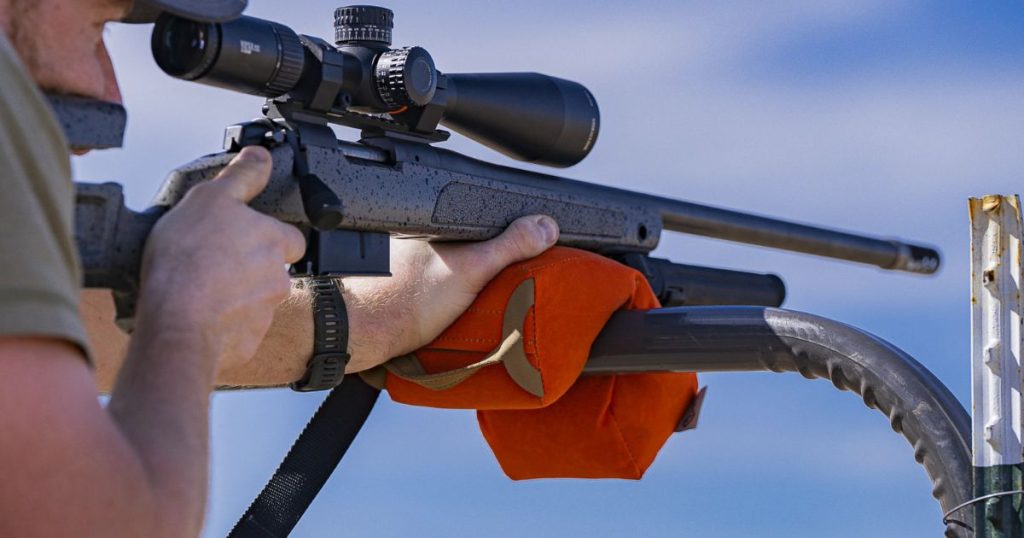
Different shooting styles place different demands on support bags, so the best fill choice depends less on the bag itself and more on how you use it.
| Shooting Style | Typical Priority | Often Preferred Fill | Why |
| Precision Rifle Shooting | Stability and consistency | Heavier fill | Often provides a more planted feel and resists movement during position building and recoil. |
| Competition Shooting | Stability with frequent position changes | Usually heavier fill, depending on match requirements | Many shooters value support and consistency, though some prefer lighter gear for highly mobile stages. |
| Hunting | Weight and portability | Lighter fill | Reduces pack weight while still providing support when needed. |
| Backcountry & Mountain Hunting | Minimizing carried weight | Lighter fill | Every ounce matters during long hikes and extended time in the field. |
| General Range Use | Balanced performance | Either option | Depends on whether you prioritize stability or reduced carry weight. |
| Mixed-Use Setups | Balance between support and portability | Personal preference | Many shooters choose the fill that best matches how they spend most of their time shooting. |
There is no universal winner between heavy and lightweight shooting bag fillers. The better question is which characteristics matter most for the way you actually shoot.
Why Bag Shape Still Matters
Fill weight affects how a shooting bag behaves, but it is only one part of the system.
Fill Weight Is Only Part of the Equation
A bag’s shape determines how it supports the rifle and interacts with the shooting surface. Changing the fill weight can alter how the bag behaves, but it cannot completely change the bag’s purpose.
For example, a small support bag and a large support bag will not provide the same shooting experience, even when filled with the same material.
Surface Contact and Rifle Interface
Bag shape also affects the amount of contact between the rifle, the bag, and the support surface.
Some bags are designed to wrap around barricades or uneven terrain, while others are built for rear support. That contact plays a major role in how stable the rifle feels during use.
Matching Fill and Bag Purpose
The best results usually come from matching the fill to the bag’s role.
A bag used for precise adjustments may benefit from different fill characteristics than a bag designed to create support across a wide range of obstacles. Fill weight is important, but it works together with the bag’s design.
To learn more about shooting bag shapes, read:
A Shooter’s Guide to the Best Support Bags
Why Every Shooter Needs a Multi-Use Shooting Bag
Choosing the Best Lightweight Shooting Support Bag
The Right Fill Depends on How You Shoot
Ultimately, the best choice depends on how you use the bag. Consider how much support you want behind the rifle, how much movement you are willing to accept, and how important weight savings are to your shooting environment.
If you’re comparing fill options for your next support bag, explore Cole-TAC’s Performance Fill Options and support bags to find a setup that matches your shooting style.